What Are Wrinkles | Treatment Options | Safety & Side Effects | Personalising Your Plan | FAQs
What Are Wrinkles
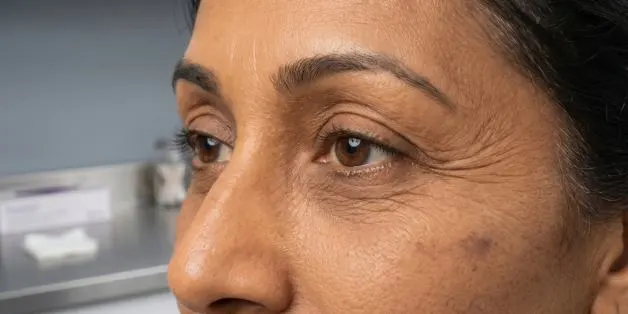
Wrinkles are visible lines or creases that form when the skin’s support structure changes and the surface folds repeatedly. In clinic, we broadly think of wrinkles in two ways.
- Fine lines: shallow lines that show up first, often around the eyes and mouth. These are commonly linked to early collagen changes and surface texture.
- Deeper wrinkles: lines that remain even when the face is relaxed. These are more often linked to a mix of repetitive movement, volume changes, and laxity.
Wrinkles also differ by behaviour. Dynamic wrinkles are lines mainly seen with expression — for example forehead lines when you raise your eyebrows, or frown lines when you squint. Static wrinkles are lines visible even at rest, often due to collagen thinning, sun damage, and longer-term folding.
Common zones we see in Mumbai patients include the forehead, glabellar lines (between the eyebrows), crow’s feet, smile lines, perioral lines (around the mouth), neck lines, and early jawline textural creasing.
Why Wrinkles Happen
Wrinkles are the visible end result of changes in collagen, elastin, hydration, fat compartments, and muscle activity. Ageing is expected, but the speed and pattern vary.
Intrinsic ageing is the natural, time-related thinning of collagen and elastin. Extrinsic ageing is accelerated ageing driven by external stressors, especially UV exposure. Photoprotection is not only about preventing spots — it is also one of the most important long-term levers for reducing wrinkle progression. [1]
In Mumbai, a few local realities influence wrinkle patterns. High UV exposure persists even on cloudy days, as UVA penetrates and contributes to collagen breakdown. Humidity and sweat can give a false sense of hydration while barrier function may still be impaired. Pollution and commuting add oxidative stress that worsens dullness and texture changes. Many patients also have higher risk of post-inflammatory pigmentation, which influences how we choose devices, peel depth, and aftercare. [3]
How We Assess Wrinkles in Clinic
Before recommending any procedure, we do a structured assessment. This is where clinical judgement matters more than trend-based choices.
- Expression assessment: we observe how your forehead, eyes, and mouth move, and look for patterns that suggest dynamic wrinkles and muscle overactivity.
- Texture and pores: fine lines often sit on top of uneven texture, enlarged pores, or early crepiness.
- Skin thickness and laxity: we check if the concern is primarily thinning, or if there is true laxity where deeper tightening technologies are needed.
- Barrier status: if the skin is irritated, reactive, or sensitised, aggressive resurfacing can worsen outcomes.
- Risk profiling: history of pigmentation after acne or procedures, keloid tendency, active eczema, recent isotretinoin use, uncontrolled systemic illness, or unrealistic expectations.
Treatment Options: What Works for Which Type of Wrinkle
There is no single wrinkle procedure. At our clinic, we treat wrinkles through a combination of skin health correction, collagen stimulation, and tightening — while reserving injectables for cases where expression control or volume support is clearly driving the wrinkle pattern.
Skincare Fundamentals That Support Clinic Procedures
Even when you want an in-clinic solution, daily care influences outcome quality and safety. Broad-spectrum sunscreen and physical protection reduce ongoing collagen breakdown. [1] Prescription-strength retinoids such as tretinoin have evidence for improving photodamage, including fine wrinkles, but must be introduced carefully to avoid irritation. [2] Moisturisers and gentle cleansing reduce inflammation that can worsen texture.
Clinic-Based Texture and Collagen Treatments
These options are suited for fine lines, early textural ageing, and crepey skin. We select based on skin type, pigmentation risk, and downtime tolerance.
- Plasma resurfacing: smooths the uppermost skin layers and triggers controlled superficial collagen renewal. Especially useful for early fine lines around the eyes and mouth, where aggressive resurfacing may be risky. [10]
- Advanced chemical peels: with thicker, more controlled formulations, peels can soften fine lines and improve texture when chosen correctly for your skin type. In Indian skin, we stay cautious with deeper peel depths because pigmentary side effects can be higher if selection and priming are not done thoughtfully. [3]
Energy-Based Tightening and Dermal Remodelling
For deeper wrinkles, mild laxity, and skin thinning, we often choose controlled heat-based technologies that stimulate dermal remodelling.
- Microneedling radiofrequency (RF): RF delivered through fine needles can heat the dermis in a controlled manner, helping to tighten and thicken skin and improve wrinkles and mild laxity on the face and neck. [6] Learn more about our microneedling treatments or our dedicated skin tightening treatments in Mumbai.
- Combined dual-mode RF platforms: these systems use different RF modes in one session, addressing fine lines, general wrinkles, and jawline tightening together by heating both superficial and deeper tissues. Clinical studies report tolerability and improvements in laxity in selected patients. [7] Our Density RF treatment uses this approach.
- Focused ultrasound tightening: targets deeper support layers to improve fine lines and lift selected areas such as the jawline or brow. Systematic reviews support its role for mild to moderate laxity when patient selection and technique are appropriate. [8] See our Ultraformer MPT treatment for this option.
Biological Collagen Support — Selected Adjuncts
These are not standalone solutions. We use them as adjuncts when the skin biology and the plan make sense, and when the patient understands the limits of evidence and expected outcomes.
- PRF-based treatments: PRF can be used with microneedling or micro injections to deliver platelet-derived growth factors into the skin and stimulate the body’s own collagen pathways. Current systematic reviews suggest PRF may improve texture and fine lines in some settings, but protocols vary and outcomes are not uniform. [9]
- NAD booster microneedling: uses NAD-enriched solutions together with microneedling, aiming to support cellular energy pathways and repair. We consider this an emerging adjunct. Clinical dermatology evidence for visible wrinkle change remains limited, which is why we select conservatively. [4]
Injectables for Expression and Structural Lines
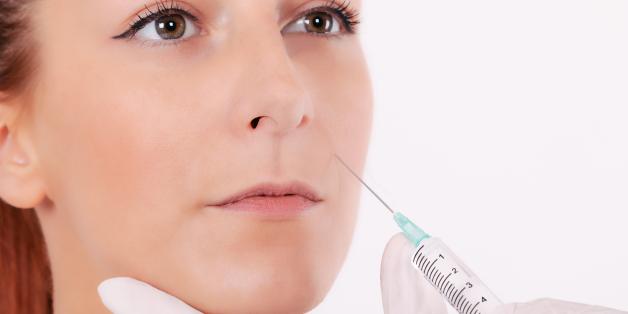
Some wrinkles are driven primarily by muscle movement or volume shift. In selected patients, neuromodulators (Botulinum toxin type A) can soften expression lines and reduce the folding that later becomes static. Indian dermatology guidelines emphasise muscle anatomy knowledge and careful patient selection for safe aesthetic use. [5] Dermal fillers, in selected patients, can support folds caused by volume loss — but we are careful in high-risk zones and avoid overfilling, which can make faces look heavy rather than refreshed.
Safety and Side Effects: What We Tell Every Patient
All procedures have potential side effects. Our job is to minimise risk through selection, technique, and aftercare planning.
Common, Expected Short-Term Effects
- Redness, mild swelling, dryness, temporary sensitivity.
- Pinpoint marks after microneedling-based procedures.
- Flaking after peels or resurfacing.
Procedure-Specific Risks We Plan For
- Plasma resurfacing: temporary crusting or dryness, and risk of post-inflammatory pigmentation if sun exposure happens too early. Careful aftercare and photoprotection reduce this risk. [1]
- Microneedling RF and dual-mode RF: burns are uncommon when done correctly, but can occur with wrong settings or poor technique. We match energy and depth to skin thickness and treat conservatively in delicate zones. [6]
- Chemical peels: irritation and pigmentation can occur if peel depth and skin type are mismatched. Indian guidelines highlight extra caution with medium-depth peels in darker skin tones. [3]
- Focused ultrasound: transient tenderness, swelling, or sensitivity are possible. Results depend heavily on correct depth selection and realistic expectations. [8]
- Injectables: bruising and swelling are common, asymmetry may occur and is usually correctable. Rare complications exist, which is why we emphasise anatomy and conservative planning. [5]
Personalising Wrinkle Treatment
Two people can have forehead lines but need completely different plans. We personalise based on age, skin behaviour, wrinkle zone, and pigmentation risk.
By Age and Skin Behaviour
- 20s to early 30s: early fine lines, dehydration patterns, and expression lines — focus on photoprotection and gentle collagen support.
- Mid 30s to 40s: mixed patterns of early laxity plus texture change, where RF microneedling, plasma, controlled peels, or ultrasound may be considered in a structured sequence.
- 50+: collagen thinning plus volume and laxity changes, where combination planning and realistic targets are important.
By Wrinkle Zone
- Under-eye and crow’s feet: we are conservative, because the skin is thin. Plasma and carefully selected collagen stimulation options can help early lines, and injectables may be considered for dynamic patterns.
- Perioral lines: often multi-factorial — we may combine surface improvement with deeper collagen support, and address habits that worsen the fold pattern.
- Neck lines and crepiness: RF microneedling and ultrasound can be useful depending on laxity and skin thickness. [6][8]
How Treatments Are Combined in a Logical Sequence
- Stabilise the barrier and sun protection habits first. [1]
- Improve surface texture (plasma or controlled peels) if fine lines are the main issue. [3][10]
- Add dermal tightening and remodelling (microneedling RF, dual-mode RF, or focused ultrasound) for thicker wrinkles and mild laxity. [6][7][8]
- Use biological adjuncts (PRF, NAD booster microneedling) in selected patients, with clear expectations about variable response. [4][9]
Combining treatments does not mean doing everything at once. It means choosing complementary mechanisms, spaced safely, and aligned with your skin’s recovery capacity.
Common Myths About Wrinkle Treatment
- Myth: Wrinkles can be erased completely. Most treatments soften lines and improve skin quality. Complete erasure is not a realistic medical promise.
- Myth: Botox always looks frozen. “Frozen” results usually come from poor planning or overdosing. A conservative, anatomy-aware approach aims to preserve expression. [5]
- Myth: Heat devices are unsafe for Indian skin. Many energy-based treatments can be safe, but selection, settings, and aftercare decide outcomes — especially for pigmentation-prone skin. [3][6]
- Myth: One session is enough for long-term change. Collagen remodelling is gradual. Maintenance plans are normal and depend on your biology and sun exposure.
- Myth: Boosters replace proven treatments. Adjuncts like PRF or NAD-based protocols may support skin quality for some patients, but they do not replace photoprotection, barrier care, and collagen remodelling methods with stronger evidence. [1][4][9]
Frequently Asked Questions
What is the safest wrinkle treatment for Indian skin?
Safety depends on your skin type, pigmentation risk, medical history, and the dominant cause of your wrinkles. For early fine lines, we often choose conservative surface options — for example plasma resurfacing or carefully selected peels — along with strong photoprotection. For laxity-driven wrinkles, RF or focused ultrasound may be more logical. The safest plan is the one that matches the correct layer and respects your recovery capacity. [3][6][8]
How do I know if I need Botox or fillers for wrinkles?
We start by checking whether your lines are mainly dynamic (seen on expression) or static (present at rest). Dynamic patterns often respond better to neuromodulators. Static folds caused by volume shift may need structural support. Many patients need neither immediately, because texture and collagen support can improve the overall appearance first. When injectables are considered, conservative dosing and anatomy knowledge are central to safety. [5]
How many sessions does microneedling or RF need for wrinkles?
It depends on the starting point and the method. Collagen-stimulating treatments are usually planned as a series, because biology remodels gradually. We also factor in downtime, work schedules, and skin sensitivity. If you have pigmentation risk, we may choose more sessions with lower intensity rather than fewer sessions with aggressive settings. [3][6]
How soon will I see results, and how long will they last?
Surface treatments can show texture improvement within weeks. Collagen remodelling from RF, ultrasound, or biological adjuncts typically builds over a longer period. Duration varies by age, sun exposure, lifestyle, and maintenance. We set expectations as improvement and maintenance, not permanence.
Can wrinkle treatments worsen pigmentation or acne?
Yes, they can — especially if your skin is already inflamed, sensitised, or prone to post-inflammatory pigmentation. We sometimes postpone procedures until acne is controlled and barrier function is stable. With correct selection, conservative technique, and strong photoprotection, the risk can be reduced, though not eliminated. [1][3]
What downtime should I plan for in a busy Mumbai schedule?
Downtime ranges from minimal redness for a short period to a few days of visible flaking or sensitivity, depending on the modality and intensity. We build plans that respect your calendar — because sun exposure and rushed recovery can increase pigmentation risk. Book a consultation at our Mumbai clinic and we can map a plan around your schedule. [1][3]
References
- Rai R. Photoprotection. Indian J Dermatol Venereol Leprol. 2007. https://ijdvl.com/photoprotection/
- Sitohang IBS, et al. Topical tretinoin for treating photoaging: A systematic review of randomized controlled trials. Clin Cosmet Investig Dermatol. 2022. https://pmc.ncbi.nlm.nih.gov/articles/PMC9112391/
- Khunger N. Standard guidelines of care for chemical peels. Indian J Dermatol Venereol Leprol. 2008. https://ijdvl.com/standard-guidelines-of-care-for-chemical-peels/
- Conlon NJ, et al. The Role of NAD+ in Regenerative Medicine. Plast Reconstr Surg Glob Open. 2021. https://pmc.ncbi.nlm.nih.gov/articles/PMC9512238/
- Shetty MK. Guidelines on the use of botulinum toxin Type A. Indian J Dermatol Venereol Leprol. 2008. https://ijdvl.com/guidelines-on-the-use-of-botulinum-toxin-type-a/
- Lyu JJ, et al. Radiofrequency in Facial Rejuvenation. Indian J Dermatol Venereol Leprol. 2022. https://journals.lww.com/ijdv/fulltext/2022/06000/radiofrequency_in_facial_rejuvenation.6.aspx
- Lin S, et al. Clinical Evaluation of a Novel Dual-Mode Radiofrequency Device for Facial Laxity. 2025. https://pmc.ncbi.nlm.nih.gov/articles/PMC12621579/
- Contini M, et al. A Systematic Review of the Efficacy of Microfocused Ultrasound for Facial Skin Tightening. 2023. https://pmc.ncbi.nlm.nih.gov/articles/PMC9861614/
- Sollitto CF, et al. A Systematic Review of Platelet-Rich Plasma Versus Platelet-Rich Fibrin for Periorbital Rejuvenation. 2025. https://pmc.ncbi.nlm.nih.gov/articles/PMC12587466/
- Bogle MA, et al. Evaluation of Plasma Skin Regeneration Technology in the Treatment of Photodamage. JAMA Dermatol. 2007. https://jamanetwork.com/journals/jamadermatology/fullarticle/411275