What Is ThermoSculpt? | Am I a Good Candidate? | What to Expect | Results & Side Effects | FAQs
What ThermoSculpt Technology Is
What “BodyStim by Imperium®” means in practical terms
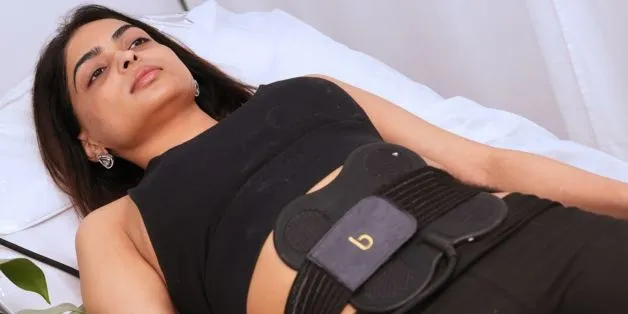
When patients ask me about ThermoSculpt, they usually want a clear answer as to, “What exactly is it doing to my body?” In simple terms, ThermoSculpt (often described through platforms such as BodyStim by Imperium®) is a non-surgical body treatment that aims to improve tone and firmness by combining two ideas that are well known in aesthetic medicine.
First, it uses controlled radiofrequency (RF) energy to create therapeutic heat within the skin and the tissue just beneath it, including the subcutaneous fat layer. This is relevant because RF-based devices have a long history in aesthetic practice for improving skin laxity and supporting collagen remodelling when used appropriately. [1]
Second, it uses muscle stimulation to create repeated contractions in a targeted area. These contractions are not the same as a gym workout. They are device-driven contractions, delivered while I monitor comfort and safety. When used responsibly, muscle stimulation devices are positioned as body contouring and muscle-conditioning tools, and they have been evaluated across different settings and technologies. [2]
Key insight: ThermoSculpt is best understood as a “tone and firmness” tool. It is not a substitute for medical weight management, and it is not a replacement for surgery when surgery is truly indicated.
Who typically considers it, and what it is not meant to do
In my Mumbai practice, people typically consider ThermoSculpt when they:
- Feel “soft” in a specific area despite regular activity.
- Have mild to moderate skin laxity, often after weight changes, pregnancy, or a long period of desk work.
- Want a non-surgical plan to improve muscle tone and the look of firmness under clothing.
- Want a structured, clinic-based routine that supports their lifestyle changes.
- If someone is planning weight loss injections (Ozempic or Mounjaro), it is worth starting ThermoSculpt early to support skin and muscle tightness and reduce the chances of post weight loss facial and body sagging.
Equally important is what it is not meant to do. ThermoSculpt is not designed to deliver “spot weight loss” on its own. It also cannot correct large skin redundancy (for example, significant apron skin) where surgical options may be more appropriate. And it cannot override the basics, sleep, protein intake, strength training, and stress management still matter for sustained body composition changes.
How ThermoSculpt Works
The core mechanism: RF diathermy plus muscle contractions (diathermocontraction)
The phrase “diathermocontraction” sounds complex, but the concept is straightforward. “Diathermy” refers to heat generated in tissues using electromagnetic energy (including RF approaches) under controlled conditions. “Contraction” refers to muscle contraction created by stimulation.
In a combined approach, I think of the treatment as working across three layers:
- Skin and superficial tissue: Controlled heating can support collagen remodelling and skin tightening over time when delivered in the correct temperature range and depth. [1]
- Subcutaneous soft tissue: Depending on the platform and parameters, there may be measured changes in soft-tissue thickness and tissue quality in certain studies, although results vary and should be discussed with realistic expectations. [3]
- Muscle layer: Repeated contractions can condition muscle, improve tone, and influence the look of definition in a region for the right candidate. Evidence for electromagnetic muscle stimulation in aesthetic contouring exists, but quality and outcomes differ across studies and devices. [2,4]
I also want to be explicit about an important principle, the combination does not automatically mean “double results.” It means I have more levers to tailor a plan, and more responsibility to select the right patient and set the right expectations.
What changes in tissue quality, muscle tone, and circulation, in plain language
Patients often describe the outcome they want as “I want to feel tighter,” or “I want my clothes to fit better.” From a clinical perspective, that can map to a few practical changes:
- Better tone in the treated zone: Muscles may feel more “awake” and engaged, especially in people who have low baseline core or glute activation.
- Improved firmness of overlying skin: Skin laxity does not improve overnight. When it improves, it tends to be gradual.
- A more “held together” feel: Some patients report better posture awareness and more stable core engagement. I treat this as a supportive effect, not a medical claim.
Some studies of combined RF and muscle stimulation approaches report reductions in soft-tissue thickness and high satisfaction at short follow-up, but these are not universal outcomes. [3] In other words, outcomes depend on baseline anatomy, lifestyle, and device parameters. This is why I emphasise personalised selection rather than generic promises.
How it differs from “just heat” or “just EMS” devices
Not all “body tightening” treatments are comparable. Here is how I frame it in consultation:
- RF-only devices: Primarily target skin laxity and tissue heating. They may help texture and firmness in the right candidate. [1]
- EMS-only devices: Primarily target muscle contraction and conditioning. The impact on skin laxity can be limited if laxity is a main concern.
- Combined RF plus stimulation approaches: Aim to address both tone and skin quality in one plan. Some published data supports this combined direction, but results still vary by device type and patient profile. [3,5]
Evidence-based takeaway: Combination devices can be useful when a patient has both mild laxity and low tone. If only one issue is present, a single-modality approach may be more rational.
Why I Choose This Treatment for the Right Patient
The patient goals it suits best
In real practice, I do not “match a patient to a device.” I match a patient’s goals and constraints to a plan, then select tools that support that plan.
ThermoSculpt can suit patients who want:
- Body toning and better muscle engagement in a specific region.
- Mild contour refinement when the main issue is softness rather than large fat volume.
- Support during a plateau after lifestyle change, where the person is doing the work but wants targeted help to improve tone and firmness.
- Skin and firmness support during medically supervised weight loss for patients considering GLP-1 injections (for example, semaglutide or tirzepatide), where faster changes in body volume can make looseness more noticeable. Starting ThermoSculpt early can be a proactive way to support tone while the weight loss journey is underway.
For Mumbai patients, I also consider practical lifestyle realities, long commutes, desk-bound work, inconsistent sleep, and variable training schedules. A clinic plan should support a realistic lifestyle, not fight it.
Where it fits in a sensible body-contouring plan in Mumbai, lifestyle first, device second
I position ThermoSculpt as an adjunct. For most patients, the foundation remains:
- Strength training or resistance-based activity suitable for their body and joints.
- Protein intake aligned with health goals.
- Sleep and stress management.
- Consistency over intensity.
When those basics exist, a device-based plan can add structure and targeted stimulus. When those basics are absent, device-based interventions can still provide a starting point, but I explain clearly that outcomes may be modest without lifestyle alignment.
My decision framework: when I say yes, when I say no
This is the part many people do not hear online, the “no” is often the most important clinical decision.
I am more likely to say yes when:
- The patient has mild to moderate laxity and low tone, not severe laxity.
- The fat layer is not the dominant issue, or the patient understands that fat reduction may need a different tool.
- The patient can commit to a short structured series and a sensible maintenance approach.
- The expectations are realistic, they want improvement, not transformation.
I am more likely to say no or delay when:
- The patient is pregnant, or has a medical situation where device-based energy delivery is not appropriate.
- There are implants or devices in or near the treatment area that raise safety concerns.
- There is uncontrolled medical illness, acute infection, or active skin disease in the area.
- The patient is seeking rapid, guaranteed, or “permanent” changes.
Clinical judgement point: The best outcomes usually happen when I am selective, not when I treat everyone.
Who Is a Good Candidate, and Who I Refuse
Clinical selection criteria I use in consultation
My consultation is structured around four questions:
- What is your primary goal? Tone, laxity, fat reduction, posture, or “clothes fit”?
- What is your baseline anatomy? I assess skin quality, laxity, and the thickness of the subcutaneous layer.
- What is your routine? Sleep, activity, protein intake, stress, work hours.
- What is your timeline? A body plan should match life events without pressure or unrealistic deadlines.
I also assess whether the patient is likely to benefit from a combined modality approach. Evidence suggests combined RF and stimulation approaches can improve multiple parameters, but response depends on the starting point. [3,5]
Red flags and exclusion criteria (medical history, implants, skin conditions, expectations)
Because this involves energy delivery and muscle stimulation, I take safety screening seriously. Typical red flags include:
- Medical implants or electronic devices where stimulation or RF could be unsafe in the region.
- Active dermatitis, infection, or open wounds in the area.
- Significant pain conditions where the sensations could worsen discomfort.
- Unstable medical conditions, or inability to communicate discomfort clearly during treatment.
If there is any uncertainty, I err on the side of caution and choose an alternative plan or defer treatment.
Expectation setting: what “realistic improvement” looks like
I define realistic improvement as changes that are visible in function and feel, and sometimes visible in photos or measurements, but not dramatic in every body type.
Realistic outcomes may include:
- A firmer feel in the area over weeks.
- Better muscle engagement, especially in the core.
- Improved skin texture and mild tightening in suitable candidates.
It may not include large changes in scale weight. If the patient’s primary goal is fat reduction, I explain that other modalities may be more appropriate.
Treatment Journey: What to Expect Step by Step
Pre-treatment consult and baseline assessment (measurements, pinch thickness, skin laxity, goals)
I begin with a baseline assessment. This is not about judgement, it is about clarity. I often document:
- Weight and basic body measurements if the patient is comfortable.
- Pinch thickness and tissue quality in the target zone.
- Skin laxity grade, and whether laxity or fat is the dominant concern.
- Comfort thresholds and prior experiences with device-based treatments.
I also explain what the device can and cannot do, using evidence where available. RF for skin laxity has a known role when used correctly. [1]
On the day of treatment: set-up, sensations, intensity progression
On treatment day, I focus on three things, safety, comfort, and consistency.
Most patients feel a warming sensation from the RF component. With muscle stimulation, they feel repeated contractions, similar to an intense “tightening” and release pattern. The goal is not to push pain. The goal is to reach a meaningful stimulus while maintaining safety and tolerability.
I typically increase intensity gradually, especially in first sessions, because patients vary significantly in tolerance and baseline muscle conditioning.
Immediately after: what you can do the same day
For most patients, downtime is minimal. They can usually return to daily routine the same day. Some feel temporary fatigue in the treated muscles, similar to post-exercise soreness.
I ask patients to report any unusual pain, blistering, or persistent redness. These are not expected and should be assessed promptly.
Areas We Commonly Treat and Why Area Choice Matters
Abdomen and core definition
The abdomen is a common request in Mumbai, often due to desk work and reduced core engagement. For the right candidate, ThermoSculpt can help improve core tone and the feel of firmness.
When abdominal fat is the primary issue, I discuss whether fat-focused modalities should come first, or whether a combined approach is sensible. Studies on combined RF and stimulation suggest measurable changes are possible in selected settings, but I do not generalise outcomes to every body type. [3]
Flanks and waist contour
Flanks respond differently than the central abdomen because tissue thickness and muscle anatomy vary. In this region, my focus is usually on tightening and tone rather than expecting large centimetre drops. A combined HIFEM and RF approach has been studied for the lateral abdomen with encouraging safety findings, but this does not mean every device produces the same effect. [6]
Thighs and buttocks tone
Thighs and gluteal regions are popular targets for tone. In some patients, better muscle engagement creates a more lifted appearance in clothing. If cellulite is the main complaint, I explain that cellulite is multi-factorial and often needs a layered plan.
Arms, back, and other selected zones (when appropriate)
Arms, back, and chin (see our double chin reduction guide) can be treated in selected candidates, especially when the complaint is mild laxity. If the laxity is significant, I explain that device-based tightening has limits, and we should discuss other options that may better match the anatomy.
Results Timeline: What Improves First, What Takes Longer
Early changes (tone, “tight feel”, posture awareness)
Early changes often include a “tight” feeling in the area and better awareness of muscle engagement. Some people also report improved posture awareness when core muscles feel more active.
Mid-course changes (definition, texture)
Mid-course changes are usually where patients begin to notice improved definition under clothing, or a firmer feel when they touch the area. If there is a skin tightening component, it is usually gradual and depends on baseline laxity.
Longer-term changes (skin quality, maintenance planning)
Longer-term changes depend on consistency, both in clinic sessions and lifestyle habits. This is where I discuss maintenance, not as a sales pitch, but as physiology. If you stop all stimulus, the body gradually returns toward baseline.
What influences outcomes: baseline muscle, fat layer, sleep, protein, training consistency
I see the same patterns repeatedly:
- Lower baseline muscle tone can mean more noticeable early “tone” changes.
- Thicker fat layer can reduce the visible impact of muscle conditioning on definition.
- Poor sleep can worsen recovery and increase perceived fatigue.
- Inconsistent training reduces carryover benefits.
This is why I prefer a plan that supports what the patient can actually sustain.
Side Effects and Safety: What I See in Real Practice
Common short-term effects and how long they last
Common short-term effects can include:
- Temporary redness or warmth in the treated area.
- Mild muscle soreness, similar to a workout.
- Transient fatigue in the treated muscle group.
These typically settle within a short period. If the patient experiences escalating pain, blistering, or prolonged tenderness, I want them assessed. RF devices can be safe when used correctly, but technique and patient selection matter. [1]
When Other Treatments Are Prescribed Instead
When I choose CoolSculpting-like fat reduction first, and why
If the main complaint is a stubborn fat pocket and the skin quality is relatively good, fat reduction modalities may be a better first step. In that scenario, ThermoSculpt may be used later to support tone, depending on goals.
When I choose Emsculpt NEO or other HIFEM-based options instead
When the patient’s main goal is stronger muscle building and more measurable muscle thickness changes, I may discuss HIFEM-based approaches. Systematic reviews suggest HIFEM has a role in body contouring with a generally favourable safety profile, but also highlight the need for higher-quality data and careful expectations. [4]
When skin tightening devices (RF, HIFU, minimally invasive RF) make more sense
If laxity is the dominant issue, and muscle tone is reasonable, I may select skin tightening focused tools. RF for laxity is a well-established category, and minimally invasive approaches exist too, but they require a different risk-benefit discussion. [1,7]
Where ThermoSculpt can be “better” than close alternatives, in the right scenario
ThermoSculpt can be a sensible choice when a patient has both mild laxity and low tone and wants one integrated plan. Compared to fat-only approaches, it may support a firmer feel through muscle conditioning. Compared to muscle-only stimulation, it may better address the skin “softness” component through controlled RF heating. Evidence for combined RF and stimulation approaches exists, but device specifics and patient selection remain decisive. [3,5]
How I Combine ThermoSculpt With Other Treatments
Pairing with fat-reduction plans for better contour balance
When both fat and laxity are present, sequence matters. If we reduce fat volume without addressing laxity, the patient may feel looser. If we chase tightening when fat volume is high, definition may remain limited. I often plan in phases, depending on priorities.
Pairing with lymphatic drainage or recovery-focused therapies
Some patients benefit from recovery-focused care that supports comfort and reduces the “heavy” feeling after treatment. I keep this practical and within safe norms. I do not position it as a fat-loss method.
Pairing with nutrition and strength training plans
I do not prescribe diet plans in an aesthetic consultation. What I do is highlight patterns that influence outcomes, adequate protein, consistent strength work, and sleep quality. If needed, I refer patients to appropriate professionals for structured guidance.
Personalisation examples: 3 common patient profiles and how I plan differently
Profile 1: Desk-bound professional with soft abdomen
In this group, I often focus on core engagement and gradual intensity progression. The goal is tone and posture awareness, not aggressive fat claims.
Profile 2: Post-weight change with mild laxity
Here, I emphasise skin quality and gradual tightening expectations. I discuss whether combined RF and stimulation makes sense, or whether tightening-first modalities are better. For advanced skin laxity on the face or neck, consider treatments like Endolift laser therapy.
Profile 3: Regular gym-goer with a stubborn “soft” zone
For a person already training consistently, I position ThermoSculpt as a targeted adjunct. We track the outcome the patient values, often fit of clothes and firmness, rather than scale numbers.
What Most People Get Wrong About ThermoSculpt
Most misconceptions come from compressing a nuanced treatment into a one-line promise. Here are the myths I correct most often.
Myth: “It replaces the gym”
No device replaces overall strength training and long-term fitness. ThermoSculpt can support tone, but it does not build the habits that sustain body composition.
Myth: “It melts fat like surgery”
Fat reduction claims vary by modality and device. If fat is your primary target, we should discuss fat-focused options rather than forcing one tool to do everything.
Myth: “More intensity always means better results”
Higher intensity can increase discomfort and risk without proportional benefit. I prioritise consistent, tolerable sessions. This approach aligns with what we see in device studies, comfort and adherence matter. [3]
Myth: “One session is enough”
Collagen remodelling and muscle conditioning are not one-session processes. A short series is usually needed to assess response, then maintenance depends on goals.
Patient Questions I Often Get
How many sessions do people usually need in Mumbai for visible change?
Most patients need a short series to assess response, because one session mainly shows you the sensation and immediate tight feel. Visible change often becomes clearer over multiple sessions, especially for tone. The exact number varies because baseline muscle tone, fat layer, and skin laxity vary.
Is it painful, and can sensitive patients still do it comfortably?
It should not be painful. You will feel strong contractions and heat, but I adjust parameters to keep it tolerable. Sensitive patients can often still do it, but we progress more slowly and we avoid pushing intensity in the first session.
Is there downtime, and can I go back to work the same day?
Most people return to normal routine the same day. Mild muscle soreness can occur, similar to post-workout soreness. If your job involves intense physical activity, you may prefer to schedule sessions to allow comfortable recovery.
Will it help belly fat, loose skin, or both?
It is often better for tone and firmness than for large fat reduction. If loose skin is mild, the RF component may support gradual tightening. If belly fat is the dominant concern, we should discuss fat-focused options or a combined plan. Evidence for combined RF and stimulation suggests soft tissue changes can occur in selected cases, but I avoid promising a specific centimetre reduction for everyone. [3,5]
How is ThermoSculpt different from Emsculpt NEO, and how do I choose?
Different technologies deliver stimulation and heat differently. Broadly, HIFEM-focused platforms are often discussed for muscle conditioning and contouring, while RF-focused components can support skin laxity. I choose based on your dominant issue, muscle tone, laxity, fat thickness, and comfort. Systematic reviews support a role for HIFEM in body contouring, but data quality varies, so shared decision-making is important. [4]
Can I combine it with weight-loss medicines or other body treatments, safely?
In many cases, yes, but it depends on your overall health, your current plan, and the timing of treatments. My approach is to avoid stacking multiple aggressive interventions at once. If you are on any medication-based weight management plan, I coordinate the aesthetic plan conservatively and keep the focus on safety and realistic outcomes.
Citation Sources (Guidelines and Evidence Base)
References
- Weiss RA, Weiss MA. Noninvasive radio frequency for skin tightening and body contouring. Dermatol Surg. 2013. URL: https://pubmed.ncbi.nlm.nih.gov/24049924/
- Swanson E. A Systematic Review of Electromagnetic Treatments for Body Contouring. Plast Reconstr Surg Glob Open. 2022. URL: https://pmc.ncbi.nlm.nih.gov/articles/PMC9869942/
- Vranis NM, et al. Radiofrequency and Electrical Muscle Stimulation: A Study of Simultaneous Noninvasive Treatments. Aesthet Surg J Open Forum. 2024. URL: https://academic.oup.com/asjopenforum/article/doi/10.1093/asjof/ojae042/7683761
- Kohan J, et al. High-Intensity Focused Electromagnetic (HIFEM) Energy With and Without Radiofrequency for Noninvasive Body Contouring: A Systematic Review. Aesthet Surg J Open Forum. 2024. URL: https://pubmed.ncbi.nlm.nih.gov/37957393/
- Dayan E, et al. Combination noninvasive radiofrequency and electrical muscle stimulation for body contouring. J Cosmet Dermatol. 2022. URL: https://onlinelibrary.wiley.com/doi/abs/10.1111/jocd.15393
- Cohen J, et al. A Novel Approach to Shaping the Lateral Abdomen With Simultaneous Application of HIFEM and Synchronized Radiofrequency. Aesthet Surg J Open Forum. 2024. URL: https://pmc.ncbi.nlm.nih.gov/articles/PMC11247522/
- Sharkov EV. The Role of Noninvasive and Minimally Invasive Radiofrequency-Based Procedures in Aesthetic Practice. Aesthet Surg J Open Forum. 2024. URL: https://pubmed.ncbi.nlm.nih.gov/37945071/
- Jun HLF, et al. Clinical Evaluation of a Combination of Non-Invasive Radiofrequency and Electromagnetic Technologies for Body Contouring. 2025. URL: https://pmc.ncbi.nlm.nih.gov/articles/PMC12242366/