What Is It? | How It Works | Who It’s For | Side Effects & Safety | Common Myths | Patient Questions
Why Red Light Therapy Has Become Such a Common Question in My Practice
The skin, hair, and recovery concerns patients usually come with
More patients now ask me about red light therapy for acne, redness, early ageing changes, recovery after procedures, and hair thinning. In Mumbai, that interest makes sense. Many people want low-downtime treatments that fit around work, travel, heat, sun exposure, and stressful routines. What I explain early is that red light therapy is not a shortcut. It can be a useful supportive treatment in the right patient, but it is not the answer to every skin or hair concern.
What is Red Light Therapy?
Red light therapy, LED therapy, photobiomodulation, and LLLT: what is the difference?
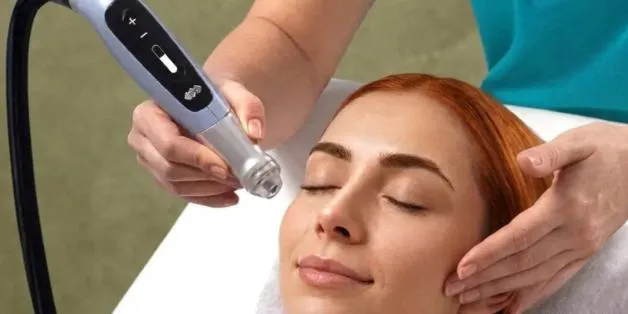
Red light therapy is the public term most patients know. In medical literature, related terms include photobiomodulation and low-level light or laser therapy. These describe the use of red or near-infrared light at lower energy levels to influence tissue activity rather than cut, burn, or ablate tissue.[1,2]
What wavelengths and devices doctors usually mean
In dermatology, the discussion usually refers to visible red light and near-infrared light. Devices may be LED-based or laser-based, and their design matters. Two devices may both be called “red light therapy” but behave very differently in terms of output, treatment area, and consistency.[1,2]
Why medical red light therapy is not the same as a beauty salon session or home gadget
This is one of the biggest misconceptions. A clinic-grade treatment is not just about the device. It includes diagnosis, indication, treatment planning, and safety decisions. A home gadget can emit light. It cannot decide whether your redness is rosacea, irritation, acne, or something else.
How Red Light Therapy Works
What happens at a cellular level?
Red and near-infrared light are believed to act on cellular structures involved in energy production, especially mitochondria. This may influence signalling related to inflammation, repair, and tissue response.[2]
How it may influence inflammation, healing, and tissue repair
In the right setting, red light therapy may help calm inflammation, support healing, and improve recovery after certain procedures. In practice, the most relevant uses are usually supportive skin rejuvenation, selected inflammatory conditions, recovery support, and some forms of hair loss.[1-4]
Where the science is stronger, and where I stay cautious
The evidence is more encouraging for selected uses such as adjunctive skin rejuvenation and androgenetic hair loss. It is much less convincing when the treatment is marketed as a replacement for diagnosis, prescription therapy, or a more suitable procedure.[2-4]
When I Consider Red Light Therapy for a Patient
Skin concerns where it may be useful
I may consider it when the goal is gentle support for skin quality, mild inflammation, visible redness, or recovery support after another procedure. It is not my first answer for deeper pigment problems, severe acne, or structural scarring.
Hair concerns where it may be useful
It can also be part of a plan for androgenetic alopecia. Some studies suggest repeated treatment may improve hair density or thickness in selected patients. But hair loss has many causes, and it works best as part of a broader hair loss treatment plan only when the diagnosis is correct.[1,3]
Recovery support after selected in-clinic procedures
One of the more sensible roles for red light therapy is as an adjunct after selected procedures such as PRP therapy, where the goal is comfort, reduced visible redness, or recovery support. Used this way, it supports the plan rather than trying to replace it.
Who may benefit most from a supportive, low-downtime treatment?
The patients who tend to see the most benefit are those with mild to moderate concerns, realistic goals, and a willingness to follow a structured plan over time.
Why I Choose Red Light Therapy in Selected Cases
When a gentle adjunct makes more sense than a more aggressive treatment
Not every patient needs an aggressive intervention. Sometimes the skin barrier is reactive, downtime is undesirable, or the goal is support rather than a major structural change. Red light therapy can fit well in that space.
Why it can suit busy patients who want low downtime
For many Mumbai patients, low downtime is a practical advantage. A treatment is easier to continue when it does not disrupt work and family life. That matters, but convenience alone is never a reason to choose the wrong treatment.
Why consistency and the right indication matter more than hype
Light-based treatments often depend on cumulative effect. Patients usually do better when the indication is sensible and the sessions are consistent. Irregular use and unrealistic expectations reduce the value of the treatment.[1,5]
The role of red light therapy in a larger dermatology plan
I think of it as one tool among several. It may sit alongside barrier care, acne treatment, a hair-loss plan, or recovery support after a procedure. Its role should be clear. If the role is unclear, I usually do not use it.
Who Is Not a Good Candidate?
Situations where I postpone or refuse treatment
I may postpone or refuse treatment when the diagnosis is unclear, the patient expects an unrealistic outcome, or there is an untreated active problem that needs a different first step.
Photosensitivity, medications, active skin problems, and unrealistic expectations
Even though red light therapy is generally low risk, proper history still matters. Photosensitivity disorders, certain medicines, active infections, unstable skin conditions, or unrealistic goals can all change the decision.[1,2]
Why not every redness, scar, or hair concern should be treated with light alone
Facial redness may be acne, rosacea, irritation, barrier damage, or steroid misuse. Hair thinning may be androgenetic alopecia, telogen effluvium, low iron, thyroid disease, or a scarring disorder. Acne marks may be pigment, redness, or scar tissue. If the diagnosis is imprecise, treatment becomes guesswork.
Side Effects and Safety: What I Tell Patients Clearly
Common temporary effects
Common short-lived effects may include mild redness, warmth, dryness, or temporary sensitivity. These are usually manageable when the treatment is well chosen.[1,5]
Less common risks and when I want patients to contact their dermatologist
Less common concerns include persistent irritation, worsening of an underlying condition, discomfort, or unexpected pigment change. If the skin reacts more strongly than expected, reassessment is better than pushing through more sessions.
Eye protection, device quality, and supervision
Eye protection is important. So are device quality, correct use, and proper supervision. These details matter even more when patients combine at-home devices with strong actives or other procedures on their own.[1]
Clinic-based treatment vs at-home device safety
At-home devices may suit some people, but they do not replace professional evaluation. A clinic-based approach offers diagnosis, planning, and the ability to stop a pathway that is not making clinical sense.
When I Prescribe Other Treatments Instead
When acne needs a different primary treatment?
If acne is moderate to severe, scarring, hormonal, or significantly inflamed, I treat the main disease process first with a dedicated acne treatment plan. Light therapy can support acne care, but it rarely clears acne on its own.[5]
When pigment, melasma, or deeper scars need another approach?
For pigment disorders such as melasma, or for deeper textural scars, red light therapy is usually not the main answer. These concerns often need more targeted pigmentation treatment or procedural planning.
When hair loss needs a broader medical work-up?
If hair loss is sudden, diffuse, patchy, or associated with systemic clues, I look beyond the device discussion. Diagnosis and work-up matter. Red light therapy should not distract from identifying the real cause.[1,3]
Why red light therapy is supportive, not a stand-alone fix
I use a simple rule. If a treatment is being asked to do more than the evidence can reasonably support, it is the wrong treatment for that moment.
How I Personalise Red Light Therapy for Each Patient
Skin type, concern severity, and treatment goals
I personalise based on diagnosis, skin type, severity, barrier status, previous irritation, and the patient’s goal. A patient wanting recovery support after a procedure is different from a patient wanting help with early hair thinning.
Facial skin vs scalp protocols
Face and scalp are not interchangeable. The target tissue and treatment endpoint differ. A scalp plan may be judged by density and shedding pattern. A skin plan may be judged by redness, texture, or recovery.
Timing red light therapy around peels, lasers, microneedling, or injectables
Sometimes it is useful before or after another procedure as a calming or recovery-support step. Sometimes it adds very little. I decide this based on the main treatment and whether the added step has a clear purpose.
How I decide whether to use it as a standalone support or in combination
I am more likely to use it alone when the goal is modest support and the concern is mild. I am more likely to combine it when I want to improve comfort, recovery, or adherence within a broader plan.
How Doctors Combine Red Light Therapy With Other Treatments
With acne and inflammation-focused plans
In acne-prone patients, it may be paired with a broader routine aimed at inflammation control and barrier protection. It is generally a support step rather than the main pillar, especially once acne is beyond mild.[5]
With skin rejuvenation and barrier-repair plans
In rejuvenation plans, it may be combined with doctor-guided skincare or selected procedures such as laser skin resurfacing, where the goal includes a gentle, recovery-aware approach.[1,4]
With hair thinning treatment plans
For selected patients with pattern hair loss, low-level light therapy can be part of a larger hair plan. The benefit is usually more meaningful when the diagnosis is clear and the patient understands that consistency matters.[1,3]
With post-procedure calming and recovery support
This is often one of the most practical roles in clinic-based dermatology. It may support comfort and visible recovery after selected procedures, though not every patient or procedure needs it.
What Most People Get Wrong About Red Light Therapy
Myth: If it is light, it is always harmless
Gentle is not the same as harmless. Correct selection and safe use still matter.
Myth: Red light therapy can replace dermatology treatment
No. It may support treatment, but it does not replace diagnosis or standard care when those are needed.
Myth: Home devices and medical devices work the same way
They do not. Output, consistency, and supervision differ.[1]
Myth: More sessions or stronger light always mean better results
Not necessarily. In medicine, more is not always better. The right dose and the right role matter more.
Myth: It works equally well for every skin and hair concern
It does not. Some indications are better supported than others, and some concerns need a different first-line treatment.[2-5]
Red Light Therapy in Mumbai: Practical Factors Patients Often Ask About
Is it suitable for Indian skin tones?
In many cases, yes, but suitability still depends on the condition, the device, and the overall plan. Indian skin always benefits from careful decision-making when inflammation or pigment risk is part of the picture.
Can it fit into a working professional’s schedule?
Often, yes. That low-downtime profile is one reason it is appealing. But convenience should support good care, not replace it.
Does season, sun exposure, or heat change the plan?
They can. In Mumbai, cumulative sun exposure, sweating, friction, pollution, and lifestyle patterns all influence skin behaviour. I take that into account when planning any light-based care.
How to think about expectations if you live in a city with pollution, stress, and irregular routines
No device can fully compensate for chronic trigger exposure, poor sleep, skipped skin or scalp care, or an untreated internal cause of hair shedding. Red light therapy is most useful when the rest of the plan also makes sense.
Patient Questions I Often Get About Red Light Therapy
Is red light therapy painful?
Usually, no. Most patients describe it as comfortable, with mild warmth rather than pain.
How soon can I expect visible changes?
That depends on the concern. Most patients should think in terms of gradual change over a series, not instant change after one session.
Is there any downtime?
Downtime is often limited, though mild temporary redness or sensitivity can occur in some people.
Can it help with acne marks, redness, or skin texture?
In selected cases, it may support improvement in redness, texture, or recovery. But acne marks are not all the same, and the exact type matters before deciding whether red light therapy is relevant.
Can it help with hair thinning?
It may help selected patients, especially in androgenetic alopecia, but not every kind of hair loss responds the same way.[1,3]
Is clinic-based red light therapy better than at-home devices?
It is usually more medically reliable because it includes diagnosis, planning, and supervision. Whether it is better for you depends on the concern and whether the treatment is appropriate in the first place.
My Clinical View on Where Red Light Therapy Fits Today
Who I think should consider it
I think it is worth considering for patients who want a gentle, low-downtime supportive treatment and who understand that improvement may be gradual. It can also make sense in selected hair-loss plans and as an adjunct around certain procedures.
Who should not rely on it alone
I do not think patients should rely on it alone when the diagnosis is uncertain, the condition is moderate to severe, pigment or scarring is the main issue, or a proper medical work-up is clearly needed.
Why careful selection matters more than trend-driven demand
My overall view is simple. Red light therapy can be useful when used carefully and distracting when oversold. Its real value comes from correct selection, clear goals, and placing the technology in the right part of the treatment plan.
If you are considering red light therapy for your skin or hair concern, book a consultation at our Mumbai clinic so our dermatologists can assess your diagnosis and build a plan suited to you.
References
- American Academy of Dermatology Association. Is red light therapy right for your skin? AAD. https://www.aad.org/public/cosmetic/safety/red-light-therapy
- Mineroff J, Maghfour J, Hamblin MR, Nambudiri VE. Photobiomodulation CME part II: Clinical applications in dermatology. J Am Acad Dermatol. https://pubmed.ncbi.nlm.nih.gov/38307144/
- Torres AE, Lyons AB, Hamzavi IH, Kohli I, Lim HW. Photobiomodulation for the management of hair loss. Lasers Med Sci. https://pubmed.ncbi.nlm.nih.gov/33377535/
- Moon JY, Lee C, Yoon J, Kim S. Utilization of light-emitting diodes for skin therapy: systematic review and meta-analysis. Photodermatol Photoimmunol Photomed. https://pubmed.ncbi.nlm.nih.gov/36310510/
- American Academy of Dermatology Association. Lasers and lights: How well do they treat acne? AAD. https://www.aad.org/public/diseases/acne/derm-treat/lasers-lights