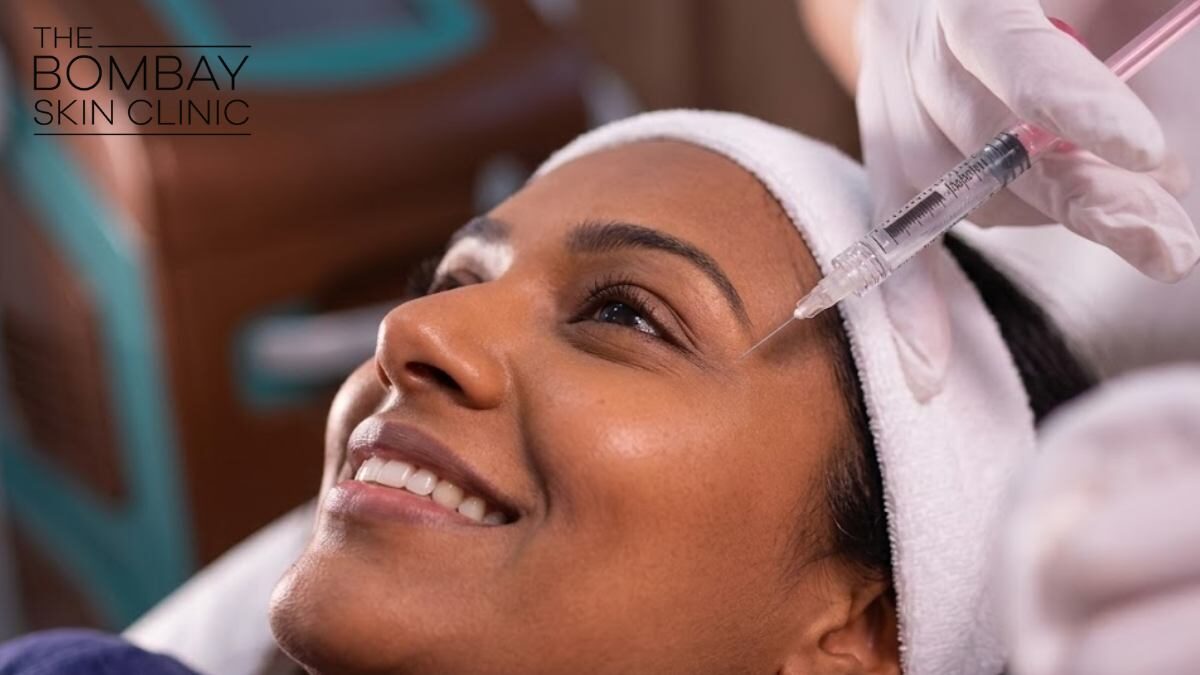
Skin booster treatment in Mumbai has become popular because many patients want fresher, healthier-looking skin without obvious alteration. In the right patient, with the right product and the right technique, skin boosters can support hydration, soften superficial fatigue, and improve skin quality in a natural-looking way.
But I do not see them as a universal solution. I see them as one category within a larger decision tree. If your skin looks tired, the real question is not “Which skin booster should I do?” The real question is “Why does my skin look tired in the first place?” Once that answer is clear, the treatment path becomes much smarter, and often much simpler.
Jump to: What Is It | How It Works | Who It Suits | Side Effects | Common Myths
What Is Skin Booster Treatment?
What “skin booster” actually means in dermatology
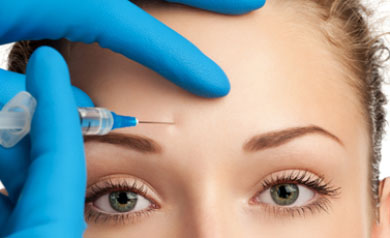
In dermatology, “skin booster” is an umbrella term, not one single product. It usually refers to injectable treatments meant to improve skin quality rather than create visible volume. Depending on the formulation, the main aim may be hydration, bioremodelling, repair support, or gradual improvement in texture and elasticity. The category includes several formulations, most commonly low-viscosity hyaluronic acid based products, and in some settings, regenerative injectables such as polynucleotide-based treatments.[1,2]
How Skin Booster Injections Work Inside the Skin
The role of hyaluronic acid in hydration and skin quality
Hyaluronic acid is naturally present in the skin and is known for binding water. In skin booster formulations, it is used to support hydration within the dermal environment. Some products are designed mainly for hydration and surface quality. Others also aim to support fibroblast activity and improve the skin’s bounce over time. Reviews of injectable hyaluronic acid for facial skin quality suggest improvements in hydration, texture, elasticity, and radiance in selected patients, although studies and products differ.[2,3]
Why the goal is better skin quality, not added volume?
When I recommend a skin booster, the goal is healthier-looking skin, not a larger or fuller face. The effect I am looking for is subtler: better hydration, softer crepiness, smoother texture, and a fresher look. If a patient expects the kind of lift or contour change seen with a volumising filler, they are choosing the wrong treatment category.
Why results build gradually instead of changing the face instantly?
Most skin boosters are not dramatic one-visit treatments. You may notice early plumpness from hydration, but the more meaningful improvement is usually gradual because the treatment is working on skin quality, not changing facial shape. Clinical data on some hyaluronic acid skin quality products also shows progressive improvement over weeks to months.[4,5]
Why I Choose Skin Boosters for the Right Patient?
Concerns that may respond well, dullness, dehydration, crepey texture, early fine lines
I usually think about skin boosters when the main complaint is quality rather than contour. Typical examples include dehydrated-looking skin, tired facial texture, fine superficial lines, mild crepiness, and early signs of ageing. Some carefully selected patients also ask about under-eye or neck quality, but these are areas where product choice and anatomical judgement matter a great deal.
What skin boosters can improve realistically?
Realistically, a skin booster may help the skin look fresher, smoother, and better hydrated. It may soften fine textural irregularity and give a healthier-looking finish. It may also fit well into a prejuvenation or maintenance plan for patients who want natural-looking rejuvenation and do not want an overfilled look.
What skin boosters cannot do on their own?
Skin boosters do not replace a lifting treatment when laxity is the main issue. They do not correct deep folds the way structural filler may. They do not erase acne scars the way a proper scar protocol might. They do not manage active melasma, ongoing inflammatory acne, or major pigment concerns by themselves. A big part of my role is explaining when a trendy treatment is simply not the main answer.
Who Is a Good Candidate for Skin Booster Treatment?
Patients I usually consider suitable
A suitable candidate usually has realistic expectations, relatively stable skin health, and concerns centred around texture, hydration, and early quality decline. These patients often say they want to look fresher and less tired without changing their face. They may be younger and interested in prejuvenation, or older patients who want to improve the quality of the skin sitting over deeper structures.
Signs that another treatment may be more appropriate
If the face looks deflated, heavy, or sagging, I do not rush to inject a skin booster. If pores and acne scars are the main issue, microneedling, RF microneedling, subcision, peels, or laser-based plans may be more rational. If redness, rosacea, active dermatitis, or a weak barrier is present, I may first stabilise the skin. If the concern is mainly shape or contour, filler or skin tightening may make more sense.
When I postpone or refuse treatment?
I postpone treatment in the setting of active infection, uncontrolled inflammatory skin disease in the treatment area, or skin that is too irritated to safely proceed. I am also cautious with patients who are pregnant or breastfeeding, those with a major history of previous injectable reactions, or those who want a quick fix just before an event. I refuse treatment when expectations are unrealistic, when the requested area is not appropriate for the chosen product, or when the diagnosis is still unclear.
When I Prescribe Other Treatments Instead?
When fillers are better than skin boosters?
If the patient has structural volume loss, facial hollowing, or a need for contour support, a filler may be the better tool. In that setting, a skin booster can improve the skin that sits over the face, but it cannot replace lost support.
When microneedling or RF microneedling may make more sense?
If texture irregularity, enlarged pores, superficial acne scarring, or mild crepiness are dominant, microneedling based treatments may be more useful. RF microneedling becomes especially relevant when I want more collagen remodelling and a stronger textural plan.
When PRP, exosomes, lasers, or peels may be a better fit?
When the concern is pigment, acne marks, vessel-related redness, photodamage, or specific scar patterns, I may think in terms of peels, lasers, energy-based devices, or other regenerative options instead. PRP and mesotherapy are also options depending on the diagnosis. Not every dull face is a skin booster case. Sometimes the real diagnosis is uneven pigment or ongoing inflammation.
Why diagnosis matters more than asking for a trending treatment?
Patients today know names like Profhilo, Rejuran, PRP, exosomes, and fillers. Awareness is useful, but trends can confuse decision-making. I always come back to the same principle: I do not treat names, I treat skin. The treatment should follow the diagnosis, not the other way around.
How I Personalise Skin Boosters for Each Patient?
Personalising by age, skin quality, and goals
A 29-year-old asking for prevention is not the same as a 45-year-old with dehydration, sun stress, and early laxity. In younger patients, the goal may be maintenance and skin quality support. In older patients, the same category may be used more selectively as part of a layered plan.
Personalising by area, face, under-eyes, neck, hands
Different areas behave differently. The cheeks, lower face, neck, under-eye region, and hands do not have the same anatomy or margin for error. I am especially cautious in areas where thin skin, visible swelling, or vascular considerations can make poor technique obvious.
Personalising for Mumbai lifestyle factors, sun, pollution, late nights, event timelines
Mumbai patients often deal with heat, humidity, UV exposure, pollution, indoor air conditioning, social schedules, and sleep disruption all at once. This can make skin look dehydrated even when the patient is not ageing badly. It also means event timing matters.
How I Combine Skin Boosters With Other Treatments?
Combination plans for early ageing
In early ageing, I may use a skin booster as one part of a plan that also includes good skincare, occasional collagen-supporting procedures, and sometimes wrinkle-relaxing treatment if expression lines are beginning to dominate. The aim is to keep the face looking fresh without making it look treated.
Combination plans for dull, dehydrated skin with uneven texture
When dehydration and dullness sit alongside uneven texture, I often think beyond one procedure. Skin boosters may help the hydration side, while a separate textural treatment may handle pores, roughness, or post-acne irregularity more effectively. Combination care is about matching different tools to different layers of the problem.
Combination plans for patients who want natural-looking rejuvenation
Patients who want subtle change often do well with staged treatment. I may improve skin quality first, then review whether any structural correction is still needed.
Why treatment timing and sequencing matter?
Even good treatments can underperform when the order is wrong. If inflammation is active, I stabilise that first. If volume loss is the real issue, I do not pretend hydration will solve it. If both structure and skin quality need attention, I decide which layer to address first. This is where clinical judgement matters more than product popularity.
Why Skin Booster Treatment Is Considered Innovative?
The shift from “filling” to improving skin quality
The innovative part of skin boosters is not just that they are new injectables. It is that aesthetic practice has moved from thinking only about volume to thinking more seriously about skin quality. Many patients want better quality skin with minimal change in facial identity. Skin boosters fit into that shift.[1,2]
What current evidence suggests about hydration, elasticity, and skin texture?
Current evidence is promising, especially for hyaluronic acid based skin quality treatments. Reviews and clinical studies suggest that selected formulations can improve hydration, smoothness, texture, elasticity, and patient satisfaction. At the same time, the literature is heterogeneous. Products, techniques, and study endpoints differ, so I do not treat all skin boosters as interchangeable.[3-5]
Why innovation still needs clinical judgement?
Innovation in aesthetics is only useful when the doctor knows when not to use it. A trendy injectable is not automatically a smart treatment. Product selection, anatomical safety, diagnosis, and patient selection matter more than hype.
Side Effects, Safety, and What I Discuss Before Every Session
Common short-term effects patients may notice
The most common short-term effects are redness, swelling, tenderness, bruising, and temporary unevenness at the injection points. Most of these settle within days, though bruising can take longer in some people.[6]
Less common but important risks
Less common risks include prolonged swelling, inflammatory reactions, visible irregularity, infection, or nodules depending on product and placement. Rare but important vascular complications are a recognised risk in injectable practice more broadly, which is why facial anatomy, product choice, depth, and prompt recognition of warning signs matter so much.[6]
Why injector skill, anatomy knowledge, and product selection matter?
A skin booster may look subtle when marketed online, but it is still a procedure that demands anatomical respect. A good result depends on choosing the right product for the right layer in the right patient, and on knowing when not to inject.
What Most People Get Wrong About Skin Boosters?
“It is the same as filler”
No. The overlap is that both are injectables, but the purpose is different. A filler usually supports shape or volume. A skin booster usually supports skin quality.
“It can replace skincare”
No. If the patient has a weak routine, poor sun protection, active inflammation, or repeated barrier damage, a skin booster cannot do the full job alone. Good skincare still matters.
“More product means better results”
Not at all. In aesthetic dermatology, more is not automatically better. Overuse can create puffiness, irregularity, or simply the wrong kind of result for the patient’s face.
“It is for everyone”
It is not. Some patients need a different treatment. Some need their skin stabilised first. Some should wait. Some should not be injected at all.
“It can fix every sign of ageing”
It cannot. Ageing includes pigment, laxity, textural change, movement-related lines, and volume change. A skin booster addresses only part of that picture.
Patient Questions I Often Get About Skin Booster Treatment
How many sessions will I need?
There is no honest one-size-fits-all answer. It depends on the product, the area, baseline skin quality, and what we are trying to improve. Some patients need an initial course, while others need only selective maintenance.
When will I start seeing results?
Some patients notice an early hydration effect, but the more meaningful improvement usually builds over the following weeks. I advise patients to think in terms of gradual skin quality change, not overnight transformation.
Will my face look puffy or overdone?
If the treatment is well chosen and well placed, the aim is not to make the face look overfilled. But wrong product choice or poor candidate selection can create a look that does not fit the face.
Is there any downtime after skin booster injections?
Usually downtime is limited, but not zero. You may have redness, small bumps, swelling, or bruising for a short period. If you have an important event, timing should be planned sensibly.
Can I do skin boosters before a wedding or event?
Yes, sometimes, but I do not like last-minute injectable decisions. Even when downtime is usually mild, the safer approach is to allow enough time for settling and review.
How long do results usually last?
This varies by product, skin condition, lifestyle, and whether the treatment is part of a broader maintenance plan. I tell patients to expect variability rather than a fixed promise.
Citation Sources
- Yi KH, Winayanuwattikun W, Kim SY, et al. Skin boosters: Definitions and varied classifications. Skin Res Technol. 2024;30(3):e13627. https://doi.org/10.1111/srt.13627
- Rho NK, Kim HS, Kim SY, Lee W. Injectable “Skin Boosters” in Aging Skin Rejuvenation: A Current Overview. Arch Plast Surg. 2024;51(6):528-541. https://doi.org/10.1055/a-2366-3436
- Ghatge AS, Ghatge SB. The Effectiveness of Injectable Hyaluronic Acid in the Improvement of the Facial Skin Quality: A Systematic Review. Clin Cosmet Investig Dermatol. 2023;16:891-899. https://doi.org/10.2147/CCID.S404248
- Belmontesi M, De Angelis F, Di Gregorio C, et al. Injectable Non-Animal Stabilized Hyaluronic Acid as a Skin Quality Booster: An Expert Panel Consensus. J Drugs Dermatol. 2018;17(1):83-88. https://pubmed.ncbi.nlm.nih.gov/29320592/
- Cavallini M, Papagni M, Ryder TJ, Patalano M. Skin Quality Improvement With VYC-12, a New Injectable Hyaluronic Acid: Objective Results Using Digital Analysis. Dermatol Surg. 2019;45(12):1598-1604. https://pubmed.ncbi.nlm.nih.gov/30893167/
- Jones DH, Fitzgerald R, Cox SE, et al. Preventing and Treating Adverse Events of Injectable Fillers: Evidence-Based Recommendations From the American Society for Dermatologic Surgery Multidisciplinary Task Force. Dermatol Surg. 2021;47(2):214-226. https://doi.org/10.1097/DSS.0000000000002921