What Is ExoMind™? | How It Works | Who Is It For? | Safety | FAQs
Many patients say, “I feel mentally tired,” “I am functioning, but I do not feel like myself,” or “My focus and emotional control are not the same.” In Mumbai, this is common among people balancing intense work, family pressure, social visibility, sleep loss and constant screen exposure.
ExoMind™ by BTL Technologies belongs to the broader family of transcranial magnetic stimulation, commonly called TMS. TMS uses magnetic pulses to stimulate selected brain areas without surgery, injections or anaesthesia. The FDA 510(k) summary for BTL-995-rTMS lists its indication for major depressive disorder in adult patients who have not achieved satisfactory improvement from prior antidepressant medication in the current episode, and also notes adjunctive use in adult patients with OCD for the device category [1].
As a doctor, I approach ExoMind™ treatment in Mumbai with openness and caution. Technology may help the right patient, but it should not replace diagnosis, psychiatric care, therapy, sleep correction, medical screening or clinical judgement.
What Is ExoMind™?
Understanding BTL ExoMind™
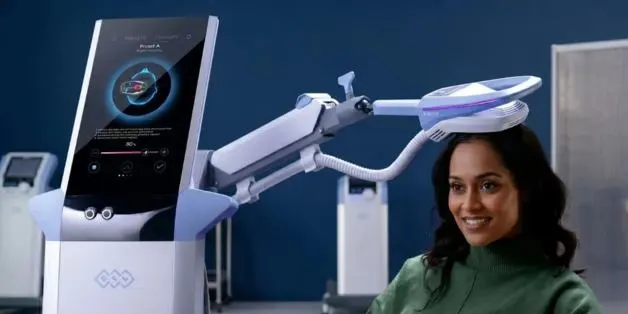
ExoMind™ is a BTL-branded system that uses electromagnetic stimulation to influence targeted brain circuits. In simple words, it sends magnetic pulses through an external applicator placed near the scalp. There is no incision and no injectable product.
The value is not just in the machine. It lies in who is selected, how safety is checked, which protocol is used and how response is reviewed.
Is ExoMind™ the Same as TMS?
ExoMind™ is best understood as a branded TMS-based technology. TMS is the broader medical category, while ExoMind™ is one specific system within that space. This distinction matters because much of the published evidence is on TMS or repetitive TMS, not on every claim made around every branded device.
NICE states that repetitive transcranial magnetic stimulation for depression may be used with standard arrangements for clinical governance, consent and audit [2]. This supports careful clinical use, not casual use for every stressed or tired person.
What ExoMind™ Is Not
ExoMind™ is not a happiness switch. It is not a replacement for a psychiatrist, psychologist or therapist. It is not an emergency treatment for severe distress. It is also not a cosmetic relaxation treatment, even if some patients describe feeling calmer or clearer after sessions.
If a patient has suicidal thoughts, mania, psychosis, unstable bipolar disorder, uncontrolled seizures, certain implants or complex neurological history, I would refer or investigate before considering any brain stimulation.
How ExoMind™ Works
The Role of Electromagnetic Brain Stimulation
TMS uses magnetic pulses to create small electrical currents in targeted brain tissue. These pulses can influence how nerve cells communicate. Repeated stimulation may help modulate networks linked with mood, motivation and emotional regulation.
Consensus recommendations describe rTMS as a safe, non-invasive neuromodulation therapy for major depressive disorder when used with appropriate clinical standards [3]. Non-invasive does not mean non-medical. The brain is sensitive, so dose, frequency, target area, session length and patient selection matter.
Why the Prefrontal Cortex Matters
Many TMS protocols focus on the dorsolateral prefrontal cortex, a brain region involved in mood regulation, executive function, motivation and cognitive control. In depression and emotional dysregulation, these circuits may not function optimally.
I explain this simply to patients. The aim is not to change personality. The aim is to influence selected circuits in a measured way. Before that, we must check whether low mood or poor focus is actually due to sleep loss, thyroid issues, anaemia, medication side effects, grief, anxiety or another cause.
How Brain Stimulation May Support Mood, Focus, and Emotional Regulation
Patients often ask whether ExoMind™ can help with stress, anxiety or focus. My answer is careful. The strongest evidence for rTMS is not for general lifestyle stress. It is for selected clinical indications, especially depression. Some patients may report better clarity or emotional control, but these outcomes vary and should not be promised.
For a high-functioning Mumbai patient who feels overloaded, the first step is not to sell a device. The first step is to understand the real pattern behind the symptoms.
Why Choose ExoMind™ Treatment?
A Non-Invasive Approach
One reason patients explore ExoMind™ treatment is that it is non-invasive. There are no injections, surgical wounds or anaesthesia. For patients who are hesitant about medication or have not responded well to earlier options, a device-based discussion may feel worthwhile.
Still, I do not present non-invasive treatment as automatically right for everyone. A safe treatment can still be unsuitable for a particular person.
No Anaesthesia, Needles, or Recovery Time
A typical session does not require needles or sedation. Many patients can return to routine activities after the appointment.
But convenience is not the main reason to choose treatment. The more important questions are: is the indication correct, is the patient safe to treat, and are expectations realistic?
When Patients May Prefer a Drug-Free Support Option
Some patients ask about ExoMind™ because they want a non-drug option. Some are already under psychiatric care and want to know whether brain stimulation can be added. Some worry about medication side effects.
These concerns are valid, but medication decisions should remain with the psychiatrist. I would never advise a patient to stop prescribed medication because they are considering ExoMind™.
Where ExoMind™ Fits in a Mumbai Patient’s Lifestyle
Many Mumbai patients delay mental health care because they are still “managing,” even when they feel flat, irritable, tense or emotionally tired inside.
A structured clinic-based option may feel easier to start than a deeper conversation about mental health. That is exactly why the consultation must slow the decision down and check whether ExoMind™ is truly appropriate.
Who May Be a Suitable Candidate for ExoMind™?
Patients With Stress, Burnout, Low Mood, or Mental Fatigue
A suitable candidate may be someone with persistent low mood, loss of interest, emotional fatigue, poor motivation or mental heaviness where TMS-based care is clinically appropriate. Burnout must be separated from depression, anxiety, sleep disorders and medical causes.
I look at duration, severity, daily function, sleep, appetite, energy, work performance, relationships, medical history and previous treatment. If expectations sound unrealistic, I pause and explain the limitations clearly.
Patients Seeking Support Alongside Existing Mental Health Care
Some patients are already seeing a psychiatrist or therapist. In such cases, ExoMind™ should not compete with that care.
This is especially important for patients with bipolar disorder, seizure history, complex medication plans or severe symptoms. The safest care is often collaborative care.
Patients Who Need Better Emotional Regulation and Focus
Poor focus may come from anxiety, ADHD, sleep debt, depression, thyroid dysfunction, iron deficiency or digital overload. Emotional reactivity and physical concerns — including hair loss or skin changes — may compound emotional burden. Emotional reactivity may come from trauma, relationship stress, hormonal shifts or untreated mood disorders.
Before I consider ExoMind™, I try to identify the root pattern. A device should not be used to cover an undiagnosed problem.
When I Would Not Recommend ExoMind™
I would not recommend ExoMind™ when there are red flags such as suicidal thoughts, psychosis, mania, untreated bipolar disorder, uncontrolled seizures, certain implanted devices, metal near the head or inability to follow instructions during treatment.
I would also decline if the request is driven by unrealistic expectations or pressure from others.
Safety and Contraindications
When Medication or Psychiatry Referral Is More Appropriate
If a patient has severe depression, suicidal thoughts, bipolar disorder, psychosis, disabling panic, severe obsessive symptoms or long-standing psychiatric illness, a psychiatrist should lead care. ExoMind™ should not delay appropriate psychiatric treatment.
When Counselling or Therapy Should Come First
If the main issue is grief, relationship trauma, work conflict, body-image distress or long-standing emotional patterns, therapy may be more important than device treatment.
Brain stimulation cannot replace insight, coping skills or psychological processing.
When Sleep, Hormonal, Nutritional, or Lifestyle Factors Need Evaluation
Fatigue, low mood and poor concentration may be linked to sleep deprivation, thyroid disease, vitamin deficiencies, anaemia, perimenopause, chronic stress, alcohol use or overtraining. In some cases, IV drip therapy may be considered as a supportive option for nutritional deficiencies, under medical guidance.
For many patients, especially those with late nights and heavy screen exposure, correcting the basics can make a meaningful difference.
Why ExoMind™ Should Not Be Treated as a Standalone Answer for Every Patient
No single treatment can solve every emotional or mental wellness concern. Evidence-based guidelines describe therapeutic uses of rTMS across selected conditions, but evidence strength differs by indication [5]. That is why broad claims are not appropriate.
Combining ExoMind™ With Dermatology or Aesthetic Care
As a dermatologist, I often see how skin, hair and appearance concerns affect confidence. Acne, acne scar treatment, hair loss, pigmentation, scarring, ageing changes, skin tightening concerns, and body-image issues can carry emotional weight.
If a patient is highly distressed about appearance, I assess whether expectations are realistic and whether mental health support is needed. Sometimes the right decision is to slow down aesthetic treatment and address emotional wellbeing first.
Why ExoMind™ Is Considered Innovative
The innovation lies in targeted, non-invasive modulation of brain circuits. Instead of acting systemically like a tablet, TMS applies magnetic stimulation externally to selected brain regions.
Clinical TMS Society recommendations describe daily left prefrontal TMS as having substantial evidence of efficacy and safety for acute treatment of depression in treatment-resistant patients [6].
What Most People Get Wrong About ExoMind™
Myth 1: It Is a Treatment for Stress
ExoMind™ is not a quick fix for stress. Stress may come from lifestyle, trauma, relationship conflict, sleep debt, anxiety, depression, financial pressure or medical illness. The cause matters before any treatment is considered.
Myth 2: It Replaces a Psychiatrist or Psychologist
It does not. If a patient needs psychiatric diagnosis, medication or psychotherapy, ExoMind™ should not be used as a shortcut.
Myth 3: Everyone Feels the Same Result
Response varies. Some patients may improve, some may improve partially and some may not respond enough. A good consultation prepares the patient for this variability.
Myth 4: If It Is Non-Invasive, Screening Is Not Needed
Non-invasive treatment can still be inappropriate for certain patients. Screening is part of safety, not a barrier.
Myth 5: Mental Wellness Treatments Are Only for Severe Illness
Mental wellness exists on a spectrum. Some patients need urgent psychiatric care. Some need therapy. Some need lifestyle correction. Some may be suitable for neuromodulation. Symptoms should not be ignored until they become severe.
My Clinical Decision Framework for ExoMind™
The Problem I Am Trying to Solve
I first define the problem. Is it low mood, anxiety, burnout, lack of focus, emotional numbness, poor sleep or appearance-related distress? Without this clarity, treatment becomes vague.
The Patient’s Mental Health History
I ask about previous diagnosis, medication, therapy, hospitalisation, manic symptoms, suicidal thoughts, seizures, substance use and family history. These questions are personal, but clinically necessary.
Safety and Contraindication Review
I review implants, metal exposure, neurological history, pregnancy possibility, medication list and seizure risk. If anything is unclear, I would rather refer or delay than proceed casually.
Realistic Outcome Discussion
I explain that the goal is improvement, not perfection. Response may take time and treatment may need to be combined with other care. Patients should not feel pressured into continuing if benefit is not meaningful.
When I Say No or Refer First
I say no when the patient is unsafe, diagnosis is unclear, expectations are unrealistic or another treatment is more appropriate. I refer first when psychiatry, neurology, psychology or medical evaluation is needed.
Frequently Asked Questions
Is ExoMind™ painful?
Most patients describe tapping, pulsing or scalp sensations rather than pain. Some may feel a headache or scalp discomfort during or after the session. The patient is monitored throughout and comfort is assessed at every visit.
How many ExoMind™ sessions are usually needed?
The number of sessions depends on the indication, protocol, response and overall medical plan. I avoid giving a fixed number without consultation because mental health concerns are not one-size-fits-all. Your treating doctor will guide you based on your assessment.
Can I go back to work after an ExoMind™ session?
Many patients can return to routine activities after a session. If someone feels tired, light-headed or emotionally unsettled, they should rest and inform the treating team before leaving the clinic.
Is ExoMind™ safe if I am already taking medication?
It may be possible for some patients, but the full medication list must be reviewed before treatment begins. Patients should not stop or change psychiatric medication without their psychiatrist’s guidance.
Is ExoMind™ suitable for anxiety or stress?
It depends on the cause, severity and clinical diagnosis. Some people using the word “stress” may actually have depression, an anxiety disorder, sleep deprivation or burnout. A proper consultation is needed before deciding what treatment comes first.
How is ExoMind™ different from other brain stimulation treatments?
ExoMind™ uses focused magnetic pulses without surgery, electrodes or anaesthesia, unlike some older neuromodulation approaches. It targets specific brain regions involved in mood and cognition. Whether it is appropriate depends entirely on individual clinical assessment.
References
- US Food and Drug Administration. K230657 510(k) Summary: BTL-995-rTMS. FDA. https://www.accessdata.fda.gov/cdrh_docs/pdf23/K230657.pdf
- National Institute for Health and Care Excellence. Repetitive transcranial magnetic stimulation for depression. NICE HealthTech guidance 396. https://www.nice.org.uk/guidance/htg396
- McClintock SM, Reti IM, Carpenter LL, et al. Consensus Recommendations for the Clinical Application of Repetitive Transcranial Magnetic Stimulation in the Treatment of Depression. J Clin Psychiatry. https://pmc.ncbi.nlm.nih.gov/articles/PMC5846193/
- Rossi S, Antal A, Bestmann S, et al. Safety and recommendations for TMS use in healthy subjects and patient populations, with updates on training, ethical and regulatory issues. Clin Neurophysiol. https://pmc.ncbi.nlm.nih.gov/articles/PMC9094636/
- Lefaucheur JP, Aleman A, Baeken C, et al. Evidence-based guidelines on the therapeutic use of repetitive transcranial magnetic stimulation: An update. Clin Neurophysiol. https://pubmed.ncbi.nlm.nih.gov/31901449/
- Perera T, George MS, Grammer G, Janicak PG, Pascual-Leone A, Wirecki TS. The Clinical TMS Society Consensus Review and Treatment Recommendations for TMS Therapy for Major Depressive Disorder. Brain Stimul. https://pubmed.ncbi.nlm.nih.gov/27090022/