What Is Cellulite | Who Benefits | How It Works | Realistic Results | FAQs
What Cellulite Really Is — My Dermatologist Perspective
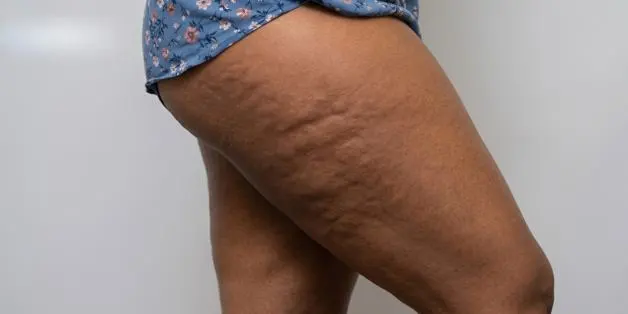
Cellulite is not a disease. It is a structural change in the way fat, connective tissue and skin interact, mainly in the thighs and buttocks, sometimes the abdomen and arms. Most studies suggest that 80–90% of post-pubertal women have some degree of cellulite, regardless of body weight.[1,2]
Under the skin, fibrous bands (called septae) connect the deeper tissues to the underside of the skin. Between these bands, fat cells are arranged in compartments. In cellulite, several things tend to happen together:
- Some fibrous bands become relatively tight and pull the skin downwards.
- Fat compartments may bulge upwards between these bands.
- The overlying dermis can become thinner or less elastic with age, hormones and lifestyle factors.
This combination creates the familiar “dimpling” or “cottage cheese” look. It is not only excess fat. It is not only loose skin. It is an interaction between structure, fat, collagen and microcirculation.[1,3]
For clinical and research purposes, cellulite is often graded from mild to severe:
- Mild cellulite: dimples seen only on pinching or specific lighting.
- Moderate cellulite: dimples visible on standing, but not very deep.
- Severe cellulite: deep dimples and irregularities, visible in most positions.
The grade of cellulite is important because it influences which cellulite treatment I recommend, and how much improvement we can realistically expect.[2,4] Cellulite is also strongly influenced by hormonal and genetic factors — far more common in women than men because of differences in fat distribution, connective tissue architecture and oestrogen effects.[1,2]
Who Actually Benefits From Cellulite Treatments — My Selection Criteria
When someone asks, “Will cellulite removal treatment work for me?”, my answer is rarely a simple yes or no. People who usually do well include:
- Patients with mild to moderate dimpling rather than very advanced, nodular cellulite.
- Those with fairly stable weight, not in the middle of major weight fluctuations.
- Individuals who understand that we are aiming for visible improvement, not erasing every dimple.
- People willing to combine treatment with basic lifestyle care (sleep, movement, smoking cessation, balanced diet).
- Patients without major uncontrolled medical issues that affect healing or circulation.
I also assess skin quality, fat distribution, muscle tone, and hormonal context at the first consultation. Patients seeking realistic improvement with a structured plan tend to be happier than those hoping for a one-time fix.[2,4]
When I Do Not Recommend Treatment — Contraindications & Clinical Judgement
Saying no is part of responsible dermatology. Medical contraindications include active skin infections, uncontrolled diabetes, significant vascular disease, pregnancy, or medical implants that conflict with certain devices. I also advise against treatment when very severe generalised laxity dominates, or when patient expectations are unrealistic.
How Cellulite Treatments Work — Protocols, Evidence and My Customisation Approach
There is no single “cellulite removal treatment”. The main categories I consider are:
- Mechanical and massage-based approaches (e.g. vacuum massage, lymphatic drainage).
- Energy-based devices — radiofrequency, laser, focused ultrasound, acoustic wave techniques.
- Subcision and other minimally invasive techniques.
- Injectable or topical approaches with varying levels of evidence.
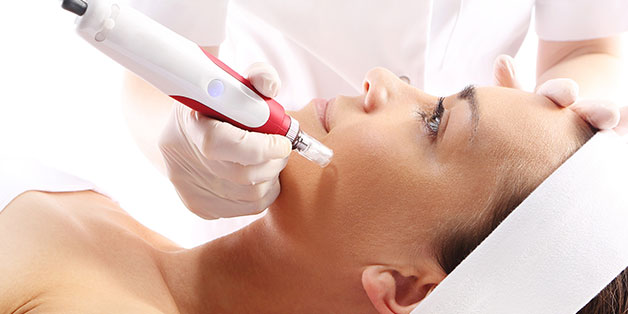
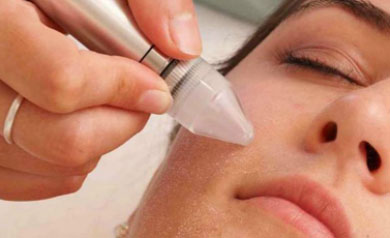
Energy-based devices such as radiofrequency and acoustic wave treatments aim to stimulate collagen, remodel connective tissue and improve microcirculation. Some show modest to moderate improvement after multiple sessions.[2,3,5] For patients concerned about overall body contouring alongside cellulite, I sometimes discuss options like skin tightening treatments or EMSculpt Neo as part of a broader plan.
Subcision techniques mechanically release the fibrous septae that tether the skin down. Studies suggest subcision gives meaningful, relatively durable improvement in selected patients with discrete, well-localised dimples.[5] For patients with localised fat alongside cellulite, subcutaneous fat treatment or CoolSculpting may complement the plan.
Topical options may improve skin texture modestly but do not restructure deep anatomy.[2,4,6] When stretch marks are also a concern alongside cellulite, our stretch mark removal treatments may be discussed at the same consultation.
When I create a plan, I consider the degree and pattern of cellulite, skin type and sensitivity, downtime tolerance, and past responses to aesthetic treatments. I reassess at each visit — if I see no meaningful improvement after a reasonable course, I reconsider strategy rather than repeating the same protocol.
Common Misunderstandings About Cellulite — What Most People Get Wrong
“It is only fat, I just need to lose weight.” Weight loss can help, but many lean women have visible cellulite because the issue lies in fibrous bands and skin structure.[1,2]
“One powerful session will remove it.” Durable changes rely on gradual collagen remodelling over weeks to months.[2–4] A series of sessions is usually needed.
“Slim people do not get cellulite.” Not true — genetics, hormone exposure and connective tissue architecture play a major role.[1,3]
“Cellulite creams can erase dimples.” Some creams improve skin smoothness temporarily, but cannot cut fibrous bands or restructure deep anatomy.[4,6]
Why Combination Treatment Plans Often Work Better
Cellulite is multifactorial, so combination approaches often outperform single-modality treatments.[2,3,6] In my practice, this means layering a band-releasing technique (such as subcision where indicated) with an energy-based device for collagen stimulation, plus supportive skincare. I pay careful attention to sequencing — minimally invasive steps come first, non-invasive options follow after healing is satisfactory.
What Results Are Realistic — Improvement Timeline, Limits & Maintenance
Evidence suggests many cellulite treatments provide mild to moderate improvement for a portion of patients — not total correction.[2–4,6] In practical terms:
- Most non-invasive treatments require multiple sessions spaced over weeks.
- More stable improvement often takes 6–12 weeks as collagen remodelling occurs.
- Typical responses range from subtle but meaningful to visible improvement in most lighting. Complete erasure of dimples is uncommon.
- Duration of benefit varies: months to a couple of years, with individual variation.[3–5]
Maintenance may involve occasional top-up sessions and consistency with lifestyle factors that support skin and connective tissue health.
Is the Science Strong or Still Evolving?
Cellulite research has methodological limitations — small sample sizes, short follow-up, varied grading systems.[2–4,6] My reading of current evidence: subcision and certain energy-based devices have moderate-quality data supporting meaningful improvement in selected patients.[2,5] Topical and massage-based options help modestly with texture but rarely transform deeper dimpling.[4,6] Long-term real-world data for newer combinations, especially in Indian skin types, are still emerging.[2,3]
Most established modalities have an acceptable safety profile when used correctly. Expected side effects include temporary redness, swelling, bruising and tenderness.[2–5] Serious adverse events are uncommon but must always be discussed before any minimally invasive procedure.
Patient Questions I Am Most Frequently Asked
“Is cellulite treatment worth it for me?”
If your cellulite is mild to moderate, you are medically fit, and you seek realistic improvement rather than perfection, evidence-based cellulite treatments can be worthwhile. If cellulite is very severe or other issues dominate, I will tell you honestly that benefit may be limited.
“Why do results vary so much between people?”
Results depend on grade and pattern of cellulite, genetics, hormone status, weight stability, skin type, and how your body responds to collagen stimulation.[1–4] This is why I individualise every plan.
“Can diet or exercise remove cellulite?”
They can reduce fat volume and improve muscle tone, making cellulite less visible — but do not restructure the fibrous bands and dermal architecture that create dimples.[1,2] I encourage lifestyle changes for many reasons, but not as a standalone treatment.
“Will the dimples come back?”
Even after good results, cellulite can reappear with time, weight changes, hormonal shifts or ageing. Some minimally invasive treatments that cut fibrous bands may offer longer-lasting improvement,[5] but maintenance remains important.
“Is it painful or invasive?”
Non-invasive device sessions cause temporary warmth, tingling or deep pressure — most patients tolerate this well. Minimally invasive options like subcision involve local anaesthesia and temporary bruising.[2–5] I explain what to expect for each option so you can decide your own comfort threshold.
“How do I choose the right treatment path?”
Start with a clinical assessment: grade and pattern of cellulite, skin quality, and health background. We then match a reasonable treatment or combination plan to your goals — not the other way around.
References
- Bass LS. Insights into the pathophysiology of cellulite: a review. Dermatol Surg. 2020. https://pmc.ncbi.nlm.nih.gov/articles/PMC7515470/
- Arora G, Fatima M, Arora S. Cellulite: presentation and management. J Cosmet Dermatol. 2022. https://pubmed.ncbi.nlm.nih.gov/35104044/
- Gabriel A, Champaneria MC, Maxwell GP. Cellulite: Current understanding and treatment. J Cosmet Dermatol. 2023. https://pmc.ncbi.nlm.nih.gov/articles/PMC10324940/
- Zerini I et al. Cellulite treatment: a comprehensive literature review. J Eur Acad Dermatol Venereol. 2015. https://europepmc.org/article/med/26147372
- Friedmann DP. Cellulite: a review with a focus on subcision. Clin Cosmet Investig Dermatol. 2017. https://www.dovepress.com/cellulite-a-review-with-a-focus-on-subcision-peer-reviewed-fulltext-article-CCID
- American Academy of Dermatology Association. Cellulite treatments: What really works? 2023. https://www.aad.org/public/cosmetic/fat-removal/cellulite-treatments-what-really-works