Tired Skin | What Is Emfusion? | How It Works | Why Choose Emfusion | Side Effects & Safety | Other Treatments | Combination Plans | Innovation | Common Myths | Patient Questions
When Your Skin Looks Tired Even After Skincare
Many patients come to me saying, “Doctor, I use good skincare, but my skin still looks tired.” Their skin may not have severe acne or deep pigmentation. It may simply look dull, dehydrated, uneven, or stressed. In Mumbai, I see this often because the skin faces heat, humidity, pollution, sweat, air conditioning, travel, and sometimes too many active skincare products.
In such cases, my first question is not only “Which treatment will give glow?” A better question is, “Is the skin barrier healthy enough to hold hydration and tolerate treatment?” When the barrier is weak, even expensive skincare can sting, peel, or give uneven results. Skin may look oily but feel tight, or look normal but feel sensitive.
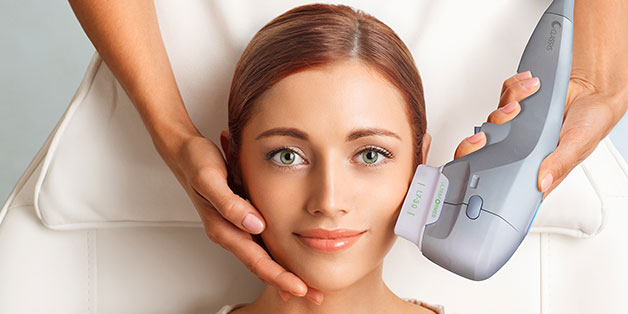
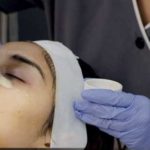
Emfusion by BTL Technologies is interesting in this context. I look at it as a skin-quality treatment, not as a salon facial. Its role is to support hydration, barrier comfort, and visible freshness in the right patient. It is gentle, needle-free, and non-invasive, but it still needs clinical judgement.
What Is Emfusion?
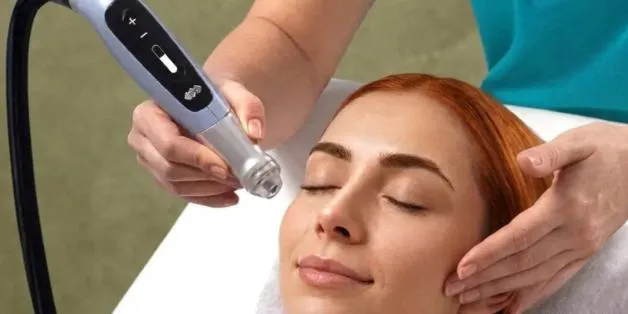
Emfusion is a non-invasive skin treatment from BTL Technologies designed to support skin hydration, barrier function, and overall skin quality. BTL describes it as a procedure that uses patented DYNAMiQ technology and a blend of active substances to support skin longevity and improve the skin’s appearance.[1]
In simple terms, Emfusion is not a laser, not an injectable, not a peel, and not a regular facial. It is a technology-assisted topical delivery and skin-conditioning treatment. The aim is to help the skin receive selected active ingredients more effectively while keeping the session comfortable.
I do not explain Emfusion as a treatment that changes facial structure or removes deeper pigmentation. I explain it as a supportive treatment for skin that needs hydration, barrier care, smoother feel, and a fresher look. This distinction is important because patient satisfaction depends on correct expectations.
How Does Emfusion Work?
The Role of the Skin Barrier
The outer layer of the skin, called the stratum corneum, is often compared to a brick wall. The skin cells are the bricks, and lipids such as ceramides, cholesterol, and fatty acids act like the cement. When this wall is healthy, the skin holds water better and is less reactive.
Modern dermatology sees the skin barrier as more than a surface layer. It has physical, chemical, microbiological, and immune roles that work together to keep skin stable.[2] That is why barrier repair matters not only in dry or sensitive skin, but also in acne-prone, pigmentation-prone, ageing, and procedure-treated skin.
DYNAMiQ Technology and Temporary Skin Permeability
The skin barrier protects us, but it also limits how easily topical ingredients enter the skin. Transdermal delivery research shows that certain physical methods can temporarily increase skin permeability. Electroporation, for example, uses pulsed electric fields to temporarily alter the barrier and increase movement of substances through skin.[3]
Emfusion uses BTL’s DYNAMiQ technology. The practical idea is to prepare the skin and assist delivery of selected active substances without injections. I still keep my explanation conservative. Better delivery does not mean the treatment replaces medical therapy, injectables, lasers, or prescription care.
Why Hydration, Lipids and Barrier Support Matter?
Hydration is not only about adding water. The skin must also be able to hold that water. Review literature on moisturisation explains that moisturisers support the barrier through humectant, occlusive, emollient, and barrier-repair effects.[4]
This matters in Mumbai because many patients are oily and dehydrated at the same time. If we keep exfoliating that skin, it may become more sensitive. If we repair the barrier first, the skin often tolerates future treatments better.
Why Choose Emfusion Treatment?
For Dull, Dehydrated or Stressed Skin
I may consider Emfusion when the main concern is skin quality: dullness, dehydration, roughness, tightness, or a tired look. These patients may not want a peel because they fear irritation. They may not want injectables because they are not looking for volume or facial reshaping.
Before choosing it, I check whether dullness is due to dehydration, pigmentation, acne congestion, dermatitis, poor sleep, sun exposure, or inappropriate skincare. Emfusion may help when barrier stress and dehydration are part of the picture.
For Mumbai Skin Exposed to Heat, Humidity, Pollution and Air Conditioning
Mumbai skin behaves differently. Many patients sweat outdoors, sit in air conditioning indoors, travel in pollution, and use sunscreen or makeup daily. This repeated shift can make skin feel oily on the surface but tight underneath.
In such patients, I prefer not to over-exfoliate. I often simplify skincare, repair the barrier, and choose procedures that do not create unnecessary downtime. Emfusion can fit into this plan when the skin needs conditioning rather than aggressive correction.
For Patients Who Want a Gentle, Needle-Free Skin Quality Treatment
Some patients are not ready for injectables, lasers, or stronger resurfacing procedures. They may have a busy schedule, sensitive skin, or an upcoming event. Emfusion can suit this category when the goal is hydration, comfort, and freshness.
But gentle does not mean casual. I still screen for infection, open wounds, severe irritation, uncontrolled dermatitis, recent aggressive procedures, and allergies to planned topical ingredients.
When I Would Not Choose Emfusion First
I would not choose Emfusion first for painful active acne, severe rosacea flare, active eczema, skin infection, open wounds, or a condition that needs diagnosis. I also avoid positioning it as a primary treatment for deep pigmentation, scars, sagging, or major texture irregularity.
Sometimes the correct decision is to refuse a procedure temporarily and stabilise the skin first. Once the skin is calmer, Emfusion can be reconsidered as supportive care.
Possible Side Effects and Safety Considerations
Common Temporary Effects
Possible temporary effects include mild redness, warmth, tingling, dryness, or sensitivity. These are usually mild, but sensitive skin may need a more conservative protocol.
Who Should Wait or Avoid Treatment
I would usually wait or avoid treatment in active infection, open cuts, active eczema flare, severe irritation, recent sunburn, uncontrolled inflammatory acne, or known allergy to the planned ingredients. Pregnancy, implanted electronic devices, or significant medical conditions should be discussed with the treating doctor before any device-assisted procedure.
Why Dermatologist Supervision Matters
Dull skin can have many causes: pigmentation, dermatitis, acne, rosacea, contact allergy, hormonal changes, or unsuitable skincare. A device cannot replace diagnosis. Dermatologist supervision also helps decide whether Emfusion should be done before another treatment, after recovery, or not at all.
When Other Treatments May Be Prescribed Instead
When Lasers May Be More Suitable
If the main concern is pigmentation, vascular redness, unwanted hair, acne marks, or deeper texture change, a laser-based plan may be more suitable. Lasers work through targeted energy interactions, while Emfusion is focused more on hydration and barrier support.
When Peels May Be More Suitable
Chemical peels may be considered when the goal is controlled exfoliation, comedone care, mild pigment improvement, or texture refinement. In sensitive or over-treated skin, I may delay peels and first rebuild the barrier.
When Injectables or Skin Boosters May Be More Suitable
If the patient needs volume correction, fine-line softening through injectable hydration, or deeper dermal support, injectables or skin boosters may be discussed. Emfusion is needle-free and surface-supportive, so it works at a different depth.
When Medical Treatment Comes Before Aesthetic Treatment
If there is active acne, dermatitis, infection, rosacea, or allergy, medical treatment comes first. Aesthetic procedures should not be used to hide an untreated condition. Treat the diagnosis first, then plan skin quality improvement.
How I Combine Emfusion With Other Treatments
For Dehydrated and Sensitive Skin
For dehydrated and sensitive skin, I may use Emfusion as part of a barrier-repair plan. The home plan may include a gentle cleanser, moisturiser, sunscreen, and removal of unnecessary actives. IADVL public skincare guidance also highlights matching skincare to skin type, avoiding excess exfoliation in dry skin, and maintaining the skin barrier.[6]
For Pigmentation-Prone Skin
For pigmentation-prone skin, I do not position Emfusion as a pigment treatment. It may support hydration and tolerance while the main pigment plan focuses on sunscreen, medical skincare, peels, lasers, or other dermatologist-led options when suitable.
For Acne-Prone or Congested Skin
For acne-prone skin, I first check whether acne is active or inflamed. If acne is uncontrolled, medical treatment comes first. If acne is stable but the skin is dehydrated from treatment, Emfusion may be considered cautiously as support.
For Pre-Event Skin Preparation
For pre-event skin, the goal is freshness without visible downtime. Emfusion may be suitable when the skin is stable. I avoid trying a new procedure too close to an important event in highly sensitive patients.
For Post-Procedure Barrier Support
After some procedures, the skin needs barrier support during recovery. Emfusion may be considered only after the skin has reached the right healing stage. Timing matters because doing any procedure too early can irritate the skin.
Why Emfusion Is Innovative?
Moving Beyond Surface-Level Facials
Emfusion moves the conversation beyond temporary softness. It links glow with barrier function, hydration, and topical delivery. This is a more medically sensible way to discuss skin freshness.
The Science of Skin Barrier Repair
Skin barrier repair is not only a cosmetic trend. Research shows that the barrier includes physical, chemical, microbial, and immune functions that influence comfort and inflammation.[2] When it is disturbed, skin can become dry, reactive, itchy, or uneven.
What We Know From Transdermal Delivery and Moisturisation Research?
Transdermal delivery research shows that the stratum corneum is a major barrier to ingredient movement, and controlled methods can temporarily increase permeability.[3] Moisturisation research shows that barrier-supportive ingredients can help improve water retention and surface function.[4]
Where Evidence Is Strong and Where We Must Be Careful
The evidence is strong that skin barrier function matters. It is also strong that moisturisation and barrier support are important in dermatology. Where we must be careful is in claiming that one device can treat everything. Emfusion should be positioned as a skin-quality treatment for hydration, barrier support, and freshness in selected patients.
What Most People Get Wrong About Emfusion
Myth 1: It Is Just Another Glow Facial
Emfusion should not be reduced to a glow facial. A regular facial mainly works through cleansing, massage, exfoliation, or product application. Emfusion is device-assisted and has a different clinical intention.
Myth 2: Hydration Means Oily or Heavy Skin
Hydration does not mean making skin greasy. Many oily-skinned patients are dehydrated because their barrier is disturbed or their routine is too harsh. The goal is balanced hydration.
Myth 3: Barrier Repair Is Only for Sensitive Skin
Barrier repair matters for many skin types. Acne-prone, pigmentation-prone, ageing, dry, oily, and procedure-treated skin can all need barrier support.
Myth 4: One Session Can Replace Daily Skincare
No clinic treatment can replace daily skincare. Emfusion may support skin quality, but the skin still needs cleansing, moisturising, sunscreen, and sensible use of actives.
Myth 5: All Skin Types Need the Same Protocol
A young oily patient, a pigmentation-prone patient, a menopausal patient, and a sensitive-skin patient do not need the same protocol. Personalisation is not optional. It is the treatment.
Patient Questions I Often Get
Is Emfusion suitable for Indian skin?
Emfusion may be suitable for many Indian skin types when selected carefully. Because Indian skin can be pigmentation-prone after irritation, I prefer proper screening and a conservative protocol.
Is Emfusion painful?
Most patients find it comfortable. Some may feel mild warmth, tingling, or sensitivity. If the barrier is very weak, I may delay treatment rather than push through discomfort.
How many sessions are usually needed?
The number of sessions varies. Some patients look fresher after one session, while others need a planned course, especially if the skin is dehydrated or stressed.
Can Emfusion help before an event?
It may be considered before an event when the skin is stable and the goal is hydration and freshness. I avoid experimenting very close to an important occasion in sensitive patients.
Can I do Emfusion if I have acne or pigmentation?
It depends. If acne is active and inflamed, acne control comes first. If pigmentation is the main concern, Emfusion is not the primary treatment. It may support hydration and barrier tolerance as part of a larger plan.
How is Emfusion different from a regular facial or HydraFacial?
A regular facial is usually surface care. HydraFacial-type treatments focus on cleansing, exfoliation, extraction, and infusion. Emfusion is positioned more around device-assisted delivery and barrier-supportive skin quality.
Citation Sources
- BTL Aesthetics. EMFUSION: Guard Your Glow. Available from: https://btlaesthetics.com.au/for-providers/emfusion-providers/
- Baker P, et al. Skin Barrier Function: The Interplay of Physical, Chemical, and Immunologic Properties. Available from: https://pmc.ncbi.nlm.nih.gov/articles/PMC10706187/
- Kougkolos G, et al. Skin electroporation for transdermal drug delivery. PubMed. Available from: https://pubmed.ncbi.nlm.nih.gov/38244842/
- Rajkumar J, et al. The Skin Barrier and Moisturization: Function, Disruption, and Mechanisms of Repair. Skin Pharmacol Physiol. Available from: https://pubmed.ncbi.nlm.nih.gov/37717558/
- American Academy of Dermatology Association. How to pick the right moisturizer for your skin. Available from: https://www.aad.org/public/everyday-care/skin-care-basics/dry/pick-moisturizer
- Indian Association of Dermatologists, Venereologists and Leprologists. Skin Care Basics. Available from: https://public.iadvl.org/skin-care-basics