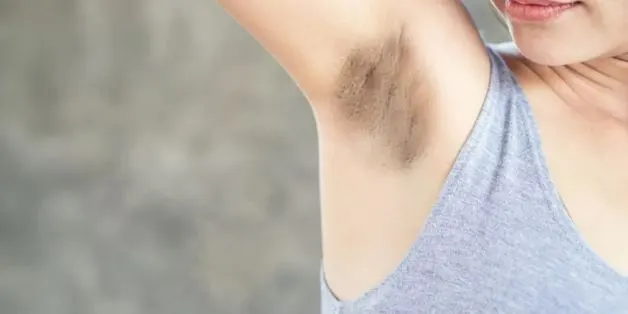
In Mumbai, dark underarms are a common concern — and a completely understandable one. The axilla is a warm, high-friction fold that faces sweat, deodorants, tight clothing, and frequent hair removal, often daily. Clinically, “dark underarms” can mean true melanin pigment, skin thickening from chronic friction, post-inflammatory staining after a rash, or even follicular shadow from coarse hair. A plan that works begins with identifying the actual driver, not just chasing an underarm whitening fix. [1]
At The Bombay Skin Clinic, our dermatologists follow a single governing principle: treat the trigger first, then treat the colour. When irritation is controlled, pigment becomes easier to improve and far less likely to return. [2]
What Are Dark Underarms?
Axillary hyperpigmentation is the medical umbrella term for underarm skin that appears noticeably darker than surrounding skin. It is not one condition — it is a presentation that can have several distinct causes, and outcomes depend heavily on which cause is driving it. [1]
Distinguishing flat brown shading from velvety thickened skin matters clinically. Flat discolouration is often post-inflammatory hyperpigmentation (PIH) or friction-related melanosis. A velvety, textured pattern — especially if it appears in the neck or groin as well — may suggest acanthosis nigricans, a condition linked to insulin resistance that warrants a broader evaluation. [3,4] When itch, burning, or scaling is present, contact dermatitis from a deodorant, fragrance, or fabric dye is frequently the engine driving the pigmentation. [5,6]
Key Reasons to Treat Underarm Pigmentation
- Confidence in everyday situations — wearing sleeveless clothing, attending the gym, or feeling at ease in Mumbai’s heat without self-consciousness.
- Stopping the cycle early — ongoing friction and irritation left untreated deepens pigment over time and makes correction harder.
- Ruling out a medical driver — a dermatologist consultation can identify when pigmentation is a signal of insulin resistance or allergic contact dermatitis, not just a cosmetic issue.
- Evidence-guided options — topicals, superficial peels, and selected devices each have a role; a correct diagnosis ensures you receive the right one, not the most popular one.
- Preventing common at-home mistakes — scrubbing, lemon juice, and aggressive “bleaching” mixes often worsen PIH in a sensitive fold area.
Who Is It For? Eligibility at a Glance
You May Be a Good Candidate If
- Your underarm skin is stable — no active rash, broken skin, or open folliculitis.
- Pigmentation has been present for weeks to months and is not rapidly progressing.
- You have already reduced obvious triggers such as harsh deodorants, heavy scrubbing, and frequent waxing burns.
- You are prepared for a staged, gradual plan rather than a single-session fix.
It May Not Be Right for You If
- There is active dermatitis, scaling, or persistent itch in the axilla — inflammation must be settled first. [2,5]
- Skin is broken from a recent waxing burn or shaving injury.
- You have recurrent, uncontrolled folliculitis in the area.
- You are pregnant or breastfeeding — conservative management only during this period.
- Velvety thickening suggests acanthosis nigricans; metabolic evaluation is prioritised before aesthetic procedures. [3,4]
How Dark Underarms Develop — and How Treatment Addresses Them
The Main Causes Our Dermatologists Look For
Friction and micro-trauma top the list. Tight clothing, repeated rubbing, frequent shaving, and waxing create low-grade inflammation. The skin responds by producing more melanin and, over time, mild thickening.
Post-inflammatory hyperpigmentation (PIH) is pigment that forms after skin inflammation or injury — shaving cuts, waxing burns, folliculitis flares, or eczema episodes. In Indian skin types, PIH is more pronounced and slower to fade. [2] This is why inflammation control is the most effective pigment intervention available.
Deodorant and contact dermatitis is a frequently overlooked cause. Fragrances, preservatives, and “active” ingredients in deodorants and antiperspirants are well-recognised sources of axillary dermatitis. [5,6] The rash may come and go, but each episode leaves PIH, so the darkness persists even when there is no visible rash. If excess sweating is also a concern, our team can help — we offer hyperhidrosis and underarm sweating treatment alongside pigmentation management.
Acanthosis nigricans presents as symmetric, velvety plaques in body folds. In adults, the most common association is insulin resistance; PCOS and thyroid changes are also relevant contexts. [3,4] Procedures can help with texture in this group, but long-term improvement typically requires addressing the metabolic driver.
Follicular shadow — coarse hair, ingrown hairs, and follicular prominence — can mimic pigmentation. When this is the primary driver, hair management often delivers more visible improvement than any lightening agent. Our laser hair removal service is frequently combined with pigmentation management for patients dealing with repeated shaving or waxing trauma.
How Treatments Interrupt This Process
- Topicals reduce low-grade inflammation, support the skin barrier, and modulate melanin formation — a consistent, low-irritant approach suited to most underarm types. [7]
- Superficial chemical peels provide controlled exfoliation when pigmentation is stable and superficial, and the skin barrier is intact. Our chemical peels are tailored to fold skin and Indian skin tones. [1]
- Laser and light-based devices can target deeper pigment in selected cases, but technique must be conservative in fold skin and Indian skin types to minimise the risk of procedure-induced PIH. [1,8]
Your Treatment Plan and Comfort
How Long Each Session Takes
Topical consultations are typically completed within a clinic visit of 30–45 minutes, including skin assessment and product guidance. Peel sessions in the axilla are shorter — usually 20–30 minutes. Device-based sessions vary by technology but are generally similar in duration.
How Many Sessions You May Need
Most patients begin with a topical stabilisation phase of four to eight weeks. If superficial peels are appropriate, a course of three to five sessions spaced two to four weeks apart is common. Device sessions, where indicated for persistent pigment, are added after the skin is stable.
Throughout the plan, our dermatologists monitor for irritation and adjust the programme. This matters particularly for the underarm, which is more reactive than facial skin — occlusion, sweat, and hair removal make it easy to overdo treatment.
Hair removal is reviewed as part of the plan. If shaving or waxing trauma is a recurring PIH trigger, shifting to a longer-term hair reduction strategy can reduce inflammation cycles and improve results more than escalating lightening agents alone.
Safety and Contraindications
- Active dermatitis or broken skin — procedures are deferred until the barrier is stable. [2,5]
- Pregnancy and breastfeeding — conservative management only; many topical actives are avoided.
- Acanthosis nigricans with suspected metabolic cause — metabolic evaluation is co-ordinated before cosmetic procedures. [3,4]
- Recent waxing burns or shaving cuts — treated as active inflammation; the area is allowed to settle first.
- History of keloids or hypertrophic scarring — disclosed at consultation so technique and intensity can be adjusted.
- Suitability is always confirmed at consultation. The dermatologist’s assessment determines which modalities, concentrations, and spacing are appropriate for your skin type and history.
Results and Realistic Timelines
Improvement in underarm pigmentation is gradual. Most patients notice a more even tone and smoother texture over two to four months of consistent treatment. Results vary based on the primary cause, skin type, and how well triggers are controlled.
What typically slows progress includes ongoing friction from tight clothing or gym wear, repeated waxing or shaving injury, deodorant dermatitis that keeps triggering PIH, and inconsistent routines or stopping treatment early. [2]
What accelerates progress is identifying and removing the trigger early, keeping the underarm calm between treatments — no harsh scrubs, no strongly fragranced products — and following the barrier-first protocol before adding actives.
Maintenance is part of any realistic plan. Pigmentation that has been building over months does not resolve quickly, and the underarm’s environment — heat, sweat, friction — means ongoing care usually delivers better long-term results than a single intensive course. Our broader skin lightening and brightening approach applies the same staged philosophy. [2,7]
How It Compares to Related Treatments
Topicals are the usual starting point — they are adjustable, lower-risk, and effective for most mild-to-moderate underarm pigmentation. Peels accelerate improvement in stable, superficial pigment but are unsuitable when the barrier is compromised or irritation is active. [1,2]
Peels have a well-characterised profile for superficial pigment. Devices may help selected cases of stubborn, deeper pigmentation — but evidence in axillary hyperpigmentation is technique-sensitive and still evolving, and conservative parameters matter to prevent PIH in fold skin and Indian skin tones. [1,8]
When follicular shadow or repeated shaving and waxing trauma drives the “dark look”, adjusting hair removal strategy can deliver more visible change than lightening agents alone. This is often underemphasised in standard protocols.
The right approach is determined at assessment, not before it. Most patients benefit from a combination pathway, sequenced carefully to avoid triggering the very inflammation that causes underarm pigmentation.
Why Choose The Bombay Skin Clinic
Our dermatologists begin with diagnosis, not a procedure menu. The first step is always identifying the cause — friction, contact dermatitis, PIH, acanthosis, or follicular shadow — because treating the wrong driver wastes time and can worsen the problem.
Treatment plans are personalised. No two underarms respond identically. We build programmes around your skin type, sensitivity history, hair removal habits, and Mumbai lifestyle — including heat, humidity, commute friction, and gym routines.
The axilla is a fold, and it reacts differently to procedures than facial skin. Our dermatologists use conservative technique, appropriate spacing, and barrier-supportive aftercare to reduce PIH risk across all skin tones — important in a clinic that sees predominantly Indian skin types.
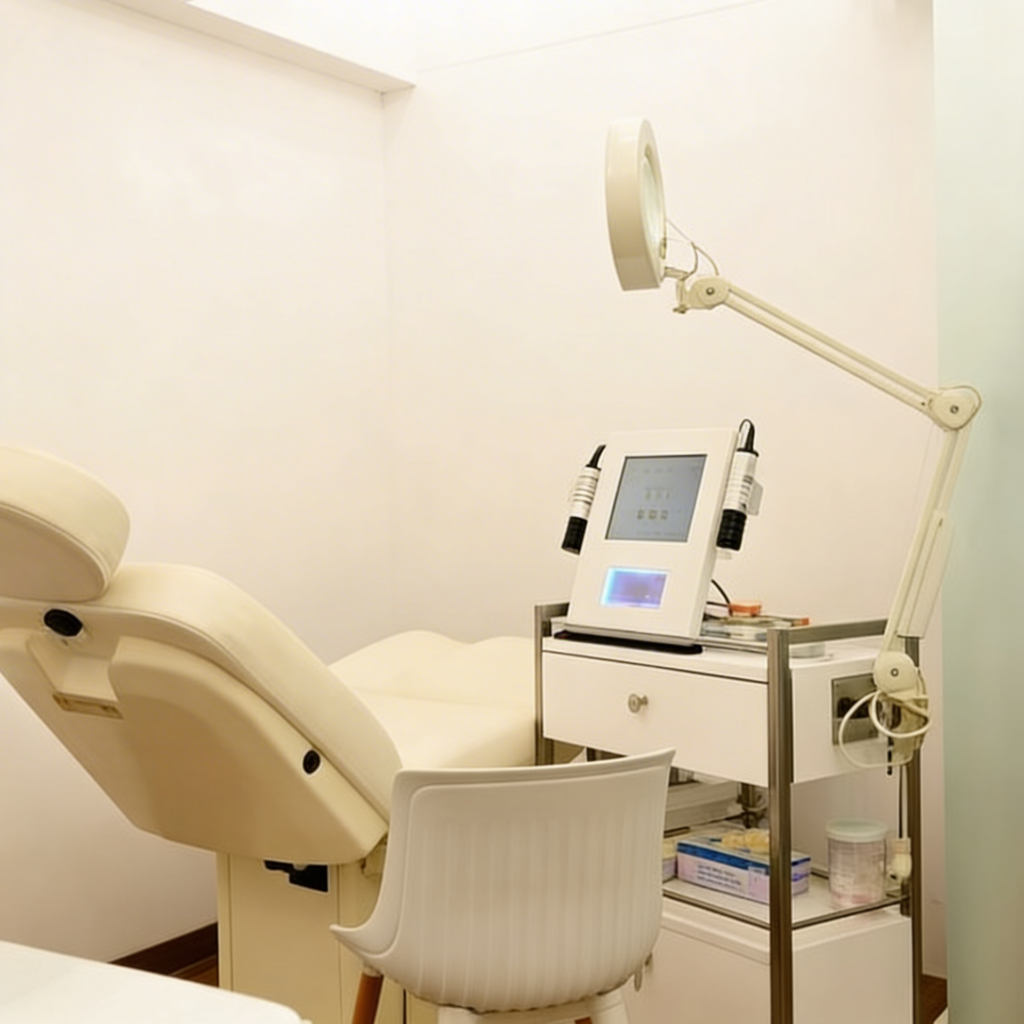
Where devices are part of the plan, we use calibrated, clinic-grade equipment operated by qualified dermatologists. Strict hygiene and sterilisation standards apply at every session.
We review and adjust the programme at each visit. If something is irritating the skin, we identify it before it sets back your progress. To discuss your concerns and receive a personalised assessment, book a consultation at our Mumbai clinic.
Indicative Pricing
Underarm pigmentation treatment pricing depends on the combination of modalities recommended after your dermatologist’s assessment — topical regimens, peel courses, and device-based sessions are priced differently and are often used in sequence.
As an indicative guide, treatment plans start from ₹[amount] per session. A full programme is outlined at your consultation once your skin has been assessed. We encourage you to book a consultation before budgeting a specific amount — the right plan for your skin type and cause of pigmentation may be simpler or more layered than you expect.
Frequently Asked Questions
Can I treat dark underarms if I have sensitive skin or eczema history?
Yes, but the approach is adjusted. We stabilise the skin barrier and remove irritants first, then introduce pigment care gradually. Procedures are considered only when the underarm is calm and not reactive. Many patients with sensitive skin see good improvement with a conservative, staged plan. [2,5]
Is dark underarm pigmentation a sign of diabetes or PCOS?
It can be — when the skin is thickened and velvety, and similar changes appear in the neck or groin, this pattern is consistent with acanthosis nigricans, which is associated with insulin resistance. [3,4] Flat, brown pigmentation after irritation is more consistent with PIH. A dermatologist assessment helps distinguish the two and determines whether metabolic evaluation is appropriate.
Which works better for dark underarms — peels or laser toning?
Neither is universally better. Peels suit stable, superficial pigment in skin with a good barrier; laser can help selected stubborn cases. Both can worsen pigmentation if the skin is irritated or technique is too aggressive in fold skin and Indian skin tones. The safest starting point is trigger control and a tolerable topical plan — with peels or devices added only when the skin is ready. [1,8]
How long does it take to see results, and what slows progress?
Most patients notice gradual improvement over two to four months. Progress slows when friction, waxing or shaving injury, or deodorant dermatitis keeps triggering fresh PIH. [2] Consistency with barrier care between sessions makes a significant difference to outcomes.
Can I keep using deodorant during treatment?
Many patients can, but the product matters. Avoid deodorants that sting, cause itch, or contain strong fragrance — these are recognised causes of axillary contact dermatitis. [5,6] Your dermatologist will advise on safer alternatives for the duration of your treatment plan.
Will shaving or waxing make my underarms darker?
They can, particularly if they trigger repeated skin inflammation, folliculitis, or ingrown hairs. The best hair removal method is the one your skin tolerates without repeated irritation. If ingrowns or follicular shadow are major drivers of the dark appearance, a longer-term hair reduction plan may reduce inflammation cycles and improve outcomes more than lightening agents alone.
References
- Vahabi SM, et al. Axillary Hyperpigmentation Treatment: A Systematic Review of the Literature. J Cosmet Dermatol. 2025. https://pmc.ncbi.nlm.nih.gov/articles/PMC12371607/
- Davis EC, Callender VD. Postinflammatory hyperpigmentation: A review of the epidemiology, clinical features, and treatment options in skin of color. J Clin Aesthet Dermatol. 2010. https://pmc.ncbi.nlm.nih.gov/articles/PMC2921758/
- Brady MF, et al. Acanthosis Nigricans. StatPearls. 2023. https://www.ncbi.nlm.nih.gov/books/NBK431057/
- Das A, et al. Acanthosis nigricans: A review. J Cosmet Dermatol. 2020. https://pubmed.ncbi.nlm.nih.gov/32516476/
- Musicante MJ, et al. Axillary Contact Dermatitis: An Update on Potential Allergens and Differential Diagnoses. Cutis. 2024. https://pubmed.ncbi.nlm.nih.gov/38478935/
- Zirwas MJ, Moennich JN. Antiperspirant and Deodorant Allergy. Dermatitis. 2008. https://pmc.ncbi.nlm.nih.gov/articles/PMC3013594/
- Castanedo-Cazares JP, et al. Topical niacinamide 4% and desonide 0.05% for treatment of axillary hyperpigmentation. Clin Cosmet Investig Dermatol. 2013. https://www.tandfonline.com/doi/full/10.2147/CCID.S39246
- Khan W, et al. Effectiveness of Laser Therapy in Axillary Hyperpigmentation: A Review. J Am Acad Dermatol. 2024. https://www.jaad.org/article/S0190-9622(24)01809-7/fulltext