All of us loose some hair, and a loss of some 100 hairs per day is quite normal and need not look alarming; but higher than that can be upsetting. Hair loss has many causes and both sexes are equally affected. Hair-loss can be hereditary and can be gradual. Hair loss can be sudden if it is due to diseases, hormonal imbalance or medicine side effects, like from chemotherapy.
Types of hair loss
General hair-loss is called alopecia. Hair-loss can be of two types; scarring alopecia and non-scarring alopecia. Hair-loss is permanent in scarring alopecia with irreversibly destroyed hair follicles. Non-scarring is temporary with no hair follicle destruction and hair mostly growing back normally. Types of hair-loss are
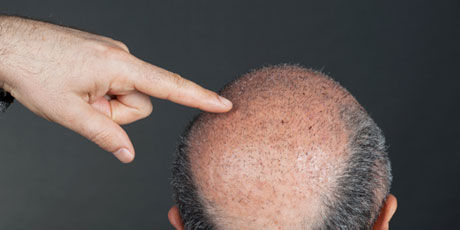
- Male pattern hair loss (androgenetic alopecia).
- Female pattern hair loss (FPHL).
- Telogen effluvium (TE).
- Chronic telogen effluvium (CTE).
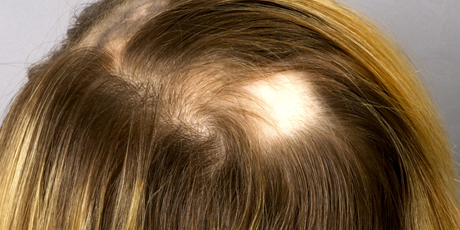
- Alopecia areata.
- Alopecia totalis.
- Anagen effluvium.
- Congenital Hypotrichosis.
- Scarring alopecia.
Causes
Causes to each kind of hair-loss can be different and varied.
- Male (AGA) and female pattern baldness is due to – Heredity, aging and/or hormonal changes.
- Alopecia areata – due to an autoimmune response to hair follicles.
- TE & CTE – caused by diverse physical or mentally stressful events.
- Anagen effluvium – from treatments like chemotherapy.
- Scarring alopecia – medical conditions like lichen planus, bacterial/fungal infections, and scleroderma etc.
- Untreated ringworm (tinea capitis) most common cause of hair loss in children.
Triggers
Triggers that can cause hair loss are
- Autoimmune conditions.
- Hormonal changes.
- Age.
- Physical stress including surgery, illness, high fever.
- Burns.
- Mental trauma.
- Chemotherapy.
- Hair damage like by pulling hair back severely, using tight hair bands, curling irons, dyes etc.
- Poor diet, insufficient in iron, protein, micronutrients.
- Thyroid conditions.
- Ringworm infection.
- Rapid weight loss.
Who can be affected?
Male pattern baldness affects nearly 50% of the male population past age 50 years. FPHL is more common in women after menopause and causes diffuse hair loss along with TE and CTE. Alopecia areata can be common in age group between 15-29 years. Scarring alopecia is common in adults whereas ringworm is most common in children. Congenital Hypotrichosis is genetic; linked with other medical conditions.
Prognosis
A variety of alopecia conditions can affect both male and female population of any age. Some types like telogen effluvium, alopecia areata are self-limiting and can resolve once correctly diagnosed and treated successfully.
[tab]
[tab_item title=”References”]
- Indian Journal of dermatology, Venereology & Leprology – Diffuse hair loss in an adult female: Approach to diagnosis and management (by Shyam Behari Shrivastava) view
- WebMD – Hair Loss Overview view
- Mayo Clinic – Hair Loss view
- NHS UK – Hair Loss Condition view
- National Institute of Health Pubmed – Hair Loss view
- University of Maryland Medical Center – Hair Loss Overview view
- Johns Hopkins view
- American Hair Loss Association – Hair Loss Summary view
[/tab_item]
[/tab]