What Is Morpheus8? A Dermatologist’s Guide to Results, Risks and Alternatives
What Is Morpheus8 | How It Works | Side Effects & Safety | Alternatives | FAQs
Uneven acne scars, enlarged pores and early skin looseness can be frustrating, especially when skincare no longer seems to make a difference. It is understandable to look for one treatment that could address several concerns. Morpheus8 often comes up in that search. But a well-known device name does not, by itself, tell us whether a procedure is suitable for your skin.
I approach energy-based treatments by asking three questions: What is causing the concern? Which tissue needs treatment? And what risks would be reasonable for that particular patient? Someone with shallow acne scars needs a different plan from someone whose main concern is a hollow face or loose skin around the jaw.
This guide explains Morpheus8 as a technology, including its limits and the clinical decisions behind responsible treatment planning. Morpheus8 is not currently offered at The Bombay Skin Clinic. The discussion is educational and should not be taken as a personal treatment recommendation.
What Is Morpheus8 Treatment?
Morpheus8 is a branded form of fractional radiofrequency (RF) microneedling. Fine needles enter the skin and deliver controlled radiofrequency energy into selected layers. The aim is to start a repair response that may improve some forms of scarring, texture and mild skin laxity over time.
How Morpheus8 Differs From General RF Microneedling
RF microneedling is a treatment category; Morpheus8 is one device within it. Other systems use different needle arrangements, energy delivery methods and treatment options. These differences affect where heat is deposited and how a practitioner plans the procedure.
I would not assume a branded system produces better results than every alternative. The operator’s assessment, choice of treatment area, technique and experience matter alongside the device itself. Evidence supporting RF microneedling generally must not be presented as proof that Morpheus8 is superior.
Which Skin Concerns Morpheus8 Is Designed to Address
Patients commonly investigate Morpheus8 for depressed acne scars, rough texture, visible pores, fine lines and early facial or neck laxity. These concerns do not all respond in the same way. A pore cannot simply be erased, and deep tethered scars may need a separate procedure to release them.
A systematic review of fractional RF microneedling for acne scars found encouraging results, while also calling for stronger studies to guide treatment settings [1]. That is a useful starting point, not a promise of a particular outcome.
How Does Morpheus8 Work?
The science rests on controlled injury and healing. Microneedles create small channels, while RF energy produces heat in targeted tissue. As healing takes place, changes in collagen and other supporting structures can gradually alter the skin’s feel and appearance.
How Microneedles and Radiofrequency Energy Affect the Skin
Traditional microneedling relies mainly on the body’s response to needle injury. RF microneedling adds thermal energy, creating another stimulus for tissue remodelling. The result depends on the amount and location of heat, as well as the skin’s healing response.
Collagen remodelling is gradual. Changes usually develop over weeks and months rather than immediately after a session. Reviews of fractional RF treatments report possible improvements in texture and skin laxity but also note that protocols and study quality vary [2].
Why Needle Depth, Energy and Facial Anatomy Matter
The forehead, cheeks, temples and jawline have different skin thicknesses and underlying tissue. A depth that is considered for one area may be inappropriate for another. Energy, pulse duration, number of passes and the precise treatment location all influence how tissue reacts.
I place particular importance on preserving healthy facial volume. The aim of improving skin texture should not automatically involve heating deeper fatty tissue. More aggressive settings are not a shortcut to better results; they can increase the consequences of an error.
Why Do Patients Consider Morpheus8?
The appeal is understandable: a single technology may address texture and modest tightening without surgery. Yet I would first separate the patient’s concerns into scars, surface quality, pigmentation, volume and laxity. That distinction often changes the treatment choice.
Acne Scars, Enlarged Pores and Skin Texture
Rolling, boxcar and ice-pick scars differ in shape and depth. RF microneedling may help selected depressed scars, especially when the plan matches the scar pattern. Narrow, deep scars or scars held down by fibrous bands may require other techniques.
Visible pores can look less prominent if surrounding skin texture improves, but their size is also affected by oil production and genetics. I would avoid promising uniformly smooth skin or treating active inflammation as if it were only a scarring problem.
Skin Tightening, Jawline Definition and Early Laxity
Some people seek Morpheus8 because their lower face feels less firm. Modest tightening may be possible when skin laxity is mild and sufficient facial volume remains. The effect is not equivalent to repositioning tissue through surgery.
If a softer jawline is mainly caused by fat distribution, significant tissue descent or loss of facial support, tightening the skin alone may disappoint. An honest consultation should explain which part of the concern a device can reasonably address.
Who May Not Be a Suitable Candidate
I would be cautious about proceeding when there is an active skin infection, significant irritation, poorly controlled inflammatory acne in the treatment area or a history suggesting difficult wound healing. Pregnancy, implanted electronic devices, relevant medicines and prior procedures require individual review against the specific device instructions.
Very thin faces, marked volume loss, unrealistic expectations or severe laxity may also shift the balance away from deep RF treatment. Sometimes my clinical judgement is to delay an aesthetic procedure, treat the underlying condition first or recommend another approach.
Morpheus8 Side Effects and Safety Considerations
Every procedure that places needles and heat in skin involves risk. When reviewing Morpheus8 side effects, I distinguish expected short-term reactions from complications that require prompt medical attention.
Common Temporary Reactions and Post-Inflammatory Pigmentation
Temporary redness, puffiness, pinpoint bleeding, dryness, crusting and tenderness can occur. Post-inflammatory hyperpigmentation, or PIH, means darker marks developing after skin inflammation. It is particularly relevant in patients who tan or pigment easily.
A review of RF treatments in skin of colour found generally reassuring outcomes, while documenting some cases of temporary pigmentation and rare scarring [3]. Lower average risk does not mean zero risk for an individual patient.
Facial Fat Loss, Burns and Other Serious Reported Complications
On 15 October 2025, the US Food and Drug Administration issued a safety communication about reports involving certain uses of RF microneedling devices. These included burns, scarring, fat loss, disfigurement and nerve damage, sometimes requiring medical or surgical treatment [4]. The notice concerns the device category; it does not establish that every device or every treatment produces these injuries.
Unwanted loss of facial volume deserves special attention because it can change facial contours rather than simply affect skin texture. Severe or increasing pain, blistering, spreading redness, discharge or unusual weakness after treatment should prompt medical assessment rather than being dismissed as normal downtime.
Why Indian Skin Tones and Thin Facial Areas Need Careful Planning
Many Indian patients have skin that can develop persistent pigmentation after inflammation. RF technology does not depend on targeting pigment in the same way as some lasers, but needle injury and excess heat can still trigger marks.
Thin temples, the area around the eyes and faces with little supporting fat call for added caution. There is no universal depth or energy setting for all Indian skin tones. I would prioritise conservative, area-specific planning and a clear discussion of risks over an aggressive one-session approach.
Morpheus8 vs Other Treatments: When Would I Choose Differently?
Comparisons become useful when they start with a diagnosis. I do not choose between technologies by counting features on a brochure. I ask what problem needs correction and how much treatment risk is justified.
Morpheus8 vs Traditional Microneedling
Traditional microneedling creates mechanical micro-injuries without added RF heat. Morpheus8 adds radiofrequency energy, which may be useful for selected patients needing both texture improvement and modest tissue tightening.
However, additional heat is not automatically an advantage. For a patient with fragile skin, pigmentation concerns or a problem that does not require deeper heating, standard microneedling or another scar-specific option may deserve consideration.
Morpheus8 vs Potenza and Other RF Microneedling Devices
Potenza and Morpheus8 are different branded RF microneedling platforms. They offer distinct technical configurations, but published studies do not justify a blanket claim that one is more effective or safer for every patient.
The useful questions are more practical: What tissue depth is being targeted? How is energy delivered? What is the clinician’s training with that exact device? Can the practitioner explain why the chosen settings fit the patient’s anatomy? Those answers matter more than a brand comparison alone.
Morpheus8 vs HIFU and Sofwave for Skin Tightening
HIFU and Sofwave use ultrasound-based energy rather than needles delivering RF. They target tissue differently and generally focus more on tightening-related concerns than on needling-based resurfacing of acne scars.
For someone mainly bothered by early laxity, an ultrasound approach may be discussed. For depressed scars and rough texture, microneedling-based options may be more relevant. Neither category replaces surgery for substantial sagging, and suitability depends on anatomy, evidence and device-specific indications.
How I Approach Personalised Treatment Planning
In my clinical decision-making, the patient’s face and priorities come before the machine. This is particularly important with a treatment such as Morpheus8, where the same general technology may be proposed for very different problems.
Matching Treatment to Scarring, Skin Laxity or Volume Loss
I begin by identifying the dominant concern. If acne scars are tethered, releasing those bands may matter more than broad heating. If the skin is mildly loose but facial volume is healthy, a tightening discussion is more reasonable. If volume loss is the main issue, further reduction would be undesirable.
The plan also changes with skin thickness, pigmentation history, healing tendency, downtime tolerance and expectations. An appropriate result is one that solves a clearly defined problem without creating a larger one.
When Combining Treatments May Be Appropriate
Acne scars are rarely identical across the face. Some patients need a staged plan that combines scar release, targeted procedures for narrow scars and a resurfacing or collagen-stimulating treatment. Others may need acne control before any scar work begins.
International consensus recommendations support tailoring energy-based treatment to scar type and considering combination approaches [5]. Combining procedures is not a reason to do everything at once. Timing, cumulative inflammation and recovery must be considered carefully.
When I Would Recommend an Alternative Instead
If a patient has active acne, I would treat that first. If pigmentation is the main concern, a pigment-focused assessment may be more useful than RF microneedling. If the face is already hollow, preserving volume would be a priority. If laxity is advanced, discussing surgical options may be more honest.
Sometimes the right decision is no procedure at all. Declining an unsuitable treatment is part of good aesthetic medicine, not a failure to offer a solution.
What Makes Morpheus8 Innovative, and What Does the Science Actually Show?
Innovation matters when it creates a useful, measurable option for patients. It does not remove the need for sound diagnosis, safe technique or careful interpretation of research.
Device Design and Multi-Depth RF Delivery
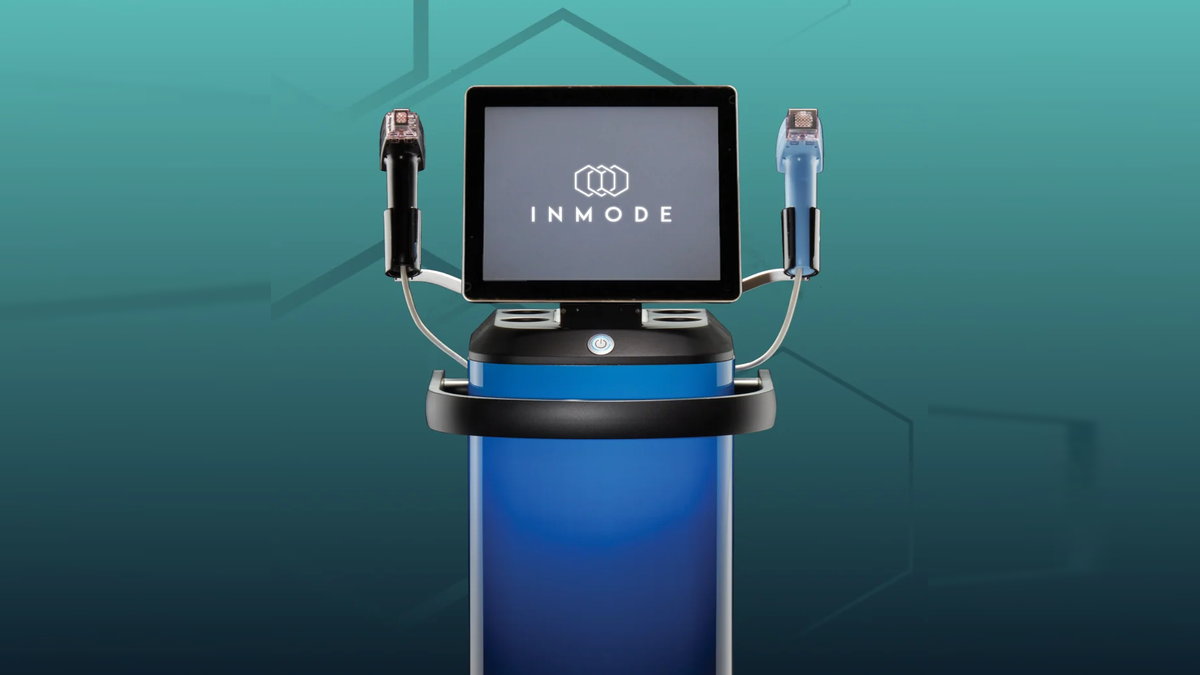
Morpheus8 combines controlled needle penetration with RF delivery, allowing the practitioner to plan treatment at different tissue levels where supported by the device and its authorised use. This offers flexibility when skin texture and tissue firmness coexist as concerns.
Flexibility also places responsibility on the operator. Different settings can produce very different tissue effects. The key question is not how deeply a device can reach, but whether that depth is clinically appropriate for the area being treated.
What Clinical Research Supports and Where Evidence Is Limited
Research on RF treatments reports improvements in selected acne scars, wrinkles and mild laxity. A systematic review of face and neck RF treatment also documented tissue changes associated with collagen renewal and, in some settings, reduction of fat volume [6]. These outcomes need to be interpreted together, because fat reduction may be unwanted on a thin face.
Much of the evidence covers RF microneedling as a category, not Morpheus8 alone. Studies differ in participants, settings, follow-up periods and outcome measures. I would therefore describe results as possible and variable, rather than translating category-wide findings into a brand-specific promise.
What Most People Get Wrong About Morpheus8
Morpheus8 discussions often move quickly from technical features to dramatic expectations. A few distinctions help patients make more informed decisions.
Myth: Morpheus8 Is a Laser Treatment
Morpheus8 is not a laser. It uses microneedles to deliver radiofrequency energy. Lasers and RF devices interact with tissue in different ways, so their benefits, recovery and risks cannot be treated as identical.
Myth: Deeper Treatment Always Produces Better Results
Deeper is not automatically better. A shallow scar, thin temple and lower cheek do not require the same approach. Excessive depth or energy may place structures at unnecessary risk. Good technique means using the least treatment needed for a realistic goal.
Myth: Morpheus8 Can Replace a Surgical Facelift
RF microneedling may improve mild laxity, but it cannot reposition descended facial tissues in the way surgery can. When someone has significant jowling or loose neck skin, presenting Morpheus8 as an equivalent alternative would set the wrong expectation.
Myth: All RF Microneedling Devices Produce the Same Results
Devices differ in design, energy delivery and operator controls. Patients also differ in their skin and healing responses. Two sessions described as RF microneedling may not be clinically comparable. Judging the complete treatment plan is more useful than judging the label.
Patient Questions I Often Get
These are practical questions worth discussing with a qualified dermatologist before considering Morpheus8 or another RF microneedling system.
Is Morpheus8 painful?
Discomfort varies with the treatment area, settings and individual sensitivity. Topical numbing is often used, but patients may still feel pressure, warmth or sharp sensations. A practitioner should explain pain control in advance and respond if discomfort is unusual or severe.
How many Morpheus8 sessions are usually needed?
There is no fixed number suitable for everyone. Some protocols use a series of sessions, while others plan fewer treatments with review between visits. Scar type, laxity, response and recovery determine whether further treatment is sensible. More sessions do not always mean a better result.
How long does Morpheus8 downtime last?
Visible redness or swelling may settle within a few days, but recovery varies. More intensive treatment can mean longer irritation or marks. Patients with a history of pigmentation problems may need closer follow-up. Always follow the treating clinician’s specific aftercare plan.
Can Morpheus8 cause facial fat loss?
Unwanted facial fat loss is a recognised safety concern in the wider RF microneedling category. Risk depends on treatment depth, energy delivery, anatomy and technique, and a precise individual probability cannot be given. Anyone with a naturally thin face should discuss volume preservation explicitly before treatment.
Is Morpheus8 suitable for darker Indian skin tones?
RF microneedling may be considered across a range of skin tones, including darker skin, after proper assessment. It is not free from pigmentation or scarring risk. A personal history of PIH, recent tanning, active irritation and the planned settings all matter more than a simple skin-colour label.
How soon can I expect to notice results?
Temporary swelling can change how the skin looks soon after treatment, but collagen remodelling takes longer. Any improvement in texture or firmness is generally assessed over subsequent weeks and months. The extent and durability of change differ between patients, and some concerns may need a different treatment entirely.
Citation Sources
References
- Niaz G, Ajeebi Y, Alshamrani HM, et al. Fractional Radiofrequency Microneedling as a Monotherapy in Acne Scar Management: A Systematic Review of Current Evidence. Clin Cosmet Investig Dermatol. 2025;18:19-29. https://pubmed.ncbi.nlm.nih.gov/39781098/
- Kleidona IA, Karypidis D, Lowe N, Myers S, Ghanem A. Fractional radiofrequency in the treatment of skin aging: an evidence-based treatment protocol. J Cosmet Laser Ther. 2020;22(1):9-25. https://pubmed.ncbi.nlm.nih.gov/31825296/
- Syder NC, Chen A, Elbuluk N. Radiofrequency and Radiofrequency Microneedling in Skin of Color: A Review of Usage, Safety, and Efficacy. Dermatol Surg. 2023;49(5):489-493. https://pubmed.ncbi.nlm.nih.gov/36826381/
- US Food and Drug Administration. Potential Risks with Certain Uses of Radiofrequency (RF) Microneedling: FDA Safety Communication. FDA. 2025. https://www.fda.gov/medical-devices/safety-communications/potential-risks-certain-uses-radiofrequency-rf-microneedling-fda-safety-communication
- Salameh F, Shumaker PR, Goodman GJ, et al. Energy-based devices for the treatment of Acne Scars: 2022 International consensus recommendations. Lasers Surg Med. 2022;54(1):10-26. https://pubmed.ncbi.nlm.nih.gov/34719045/
- Austin GK, Struble SL, Quatela VC. Evaluating the effectiveness and safety of radiofrequency for face and neck rejuvenation: A systematic review. Lasers Surg Med. 2022;54(1):27-45. https://pubmed.ncbi.nlm.nih.gov/34923652/