What Is It? | How It Works | Who It’s For | Side Effects & Safety | Common Myths | Patient Questions
What Is MnRF?
Acne scars are not just marks on the skin. For many patients, they carry years of frustration. I often meet people in Mumbai who have tried creams, facials, home remedies and repeated peels, yet still feel that their skin looks uneven in normal daylight. Some are bothered by pitted scars. Some feel their pores look larger after acne. Some have texture changes that make makeup sit badly.
MnRF, also called microneedling radiofrequency or RF microneedling, is one of the treatments I consider for patients with acne scars, open pores and uneven skin texture. It is not a shortcut, and it is not suitable for every scar type. Used correctly, it can help improve the skin’s collagen response and gradually soften textural irregularity. Used casually, or at the wrong depth or energy, it can cause avoidable side effects.
In my practice, the first question is never, “Which device should we use?” The first question is, “What is the exact skin problem we are treating?” A patient with rolling scars needs a different plan from someone with ice-pick scars. A patient with active acne needs acne control before aggressive scar work. A patient with pigmentation-prone Indian skin needs settings and aftercare chosen carefully. This guide explains how I think about MnRF treatment in Mumbai, where it helps, where it does not, and what patients should realistically expect.
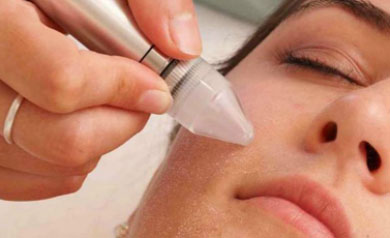
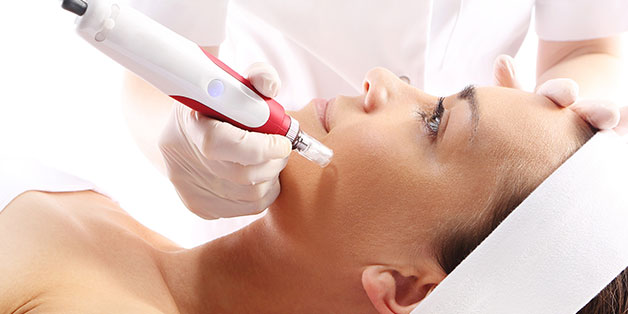
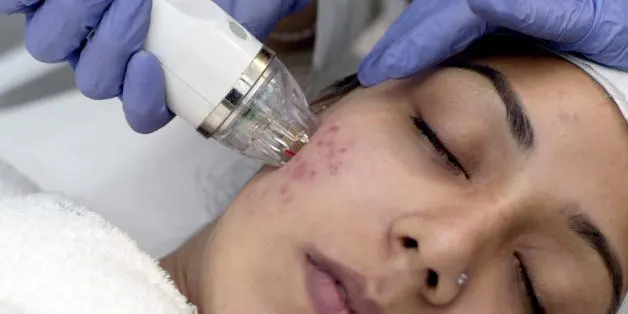
MnRF stands for microneedling radiofrequency. It combines fine microneedles with controlled radiofrequency heat. The needles create tiny channels in the skin, while radiofrequency energy is delivered at depths. The aim is to stimulate repair in the dermis, the deeper layer where collagen support is important for acne scars and texture.
The treatment is commonly considered for atrophic acne scars, enlarged-looking pores, rough skin texture, mild laxity and fine lines. In acne scar management, it is part of a plan, not the whole plan [1].
MnRF, RF Microneedling and Microneedling Radiofrequency: Are They the Same?
Yes. These terms are generally used for the same broad category. Patients may hear MnRF, MNRF, RF microneedling, microneedling RF, fractional radiofrequency microneedling or collagen induction with radiofrequency.
However, not all sessions are equal. Device quality, needle depth, energy level, treatment pattern and operator judgement all influence safety and outcome.
What Skin Concerns MnRF Is Commonly Considered For
- Atrophic acne scars, especially rolling and selected boxcar scars.
- Large-looking pores related to texture and loss of dermal support.
- Post-acne unevenness once active acne is controlled.
- Rough skin texture that does not improve enough with skincare alone.
- Mild firmness concerns where collagen support needs gradual improvement.
MnRF is not my first choice for every mark after acne. Brown marks, red marks, active pimples, deep ice-pick scars, keloids and thick scars need different thinking.
Why MnRF Is Not Just a “Facial” or Salon Treatment
MnRF penetrates the skin and delivers heat below the surface. That makes it a medical procedure. The FDA has cautioned that RF microneedling devices can be associated with serious complications such as burns, scarring, fat loss, nerve injury and disfigurement when used inappropriately [2]. This does not mean the procedure is unsafe for everyone. It means patient selection, anatomy, settings, asepsis and aftercare matter.
How MnRF Works
Acne scars form when inflammation damages collagen and healing leaves depressions, tethering or uneven support under the skin. MnRF creates controlled micro-injury and heat zones in the dermis. The skin then enters a repair process, producing new collagen and remodelling some scar tissue over time.
Clinical reviews describe RF microneedling as a useful treatment category for acne scarring and skin rejuvenation when used appropriately [3]. But scar remodelling does not look complete in a few days.
The Two-Part Mechanism: Microneedles Plus Radiofrequency Heat
The microneedles create precise entry points. Radiofrequency energy then produces controlled heating at the chosen depth. This heat can stimulate dermal remodelling while limiting excessive injury to the top layer of skin when compared with more surface-ablative approaches.
How Controlled Injury Helps Collagen Remodelling
Collagen remodelling is the skin’s repair response. After controlled injury, the skin sends repair signals, lays down new collagen and gradually reorganises tissue. Early redness settles first. Texture change builds slowly over weeks and months.
MnRF can improve the appearance of scars, but it does not erase the history of acne. Deep scars may soften, blend better with surrounding skin and appear less obvious, but complete removal is not a realistic promise.
Why Depth, Energy and Technique Matter in Indian Skin
Indian skin can respond strongly to inflammation. This is why I pay close attention to energy selection, number of passes, depth changes across the face and cooling intervals. The cheeks may need different parameters from the forehead, temples or jawline.
A higher setting is not automatically better. Excess heat can increase the risk of prolonged redness, burns, pigmentation, fat injury or scarring. A good MnRF session is not the most aggressive session. It is the most appropriate session for that patient’s skin.
Why I Choose MnRF for Selected Patients
I choose MnRF when the concern is mainly dermal texture, atrophic scarring or pore-related roughness, and when the patient understands that improvement is gradual. In Mumbai, patients also need treatments that fit work, travel, heat, humidity and social commitments.
Acne Scars: Where MnRF Fits Best
MnRF fits better for rolling scars and selected shallow to moderate boxcar scars. These scars often need collagen remodelling. If scars are tethered, subcision may be needed before or along with energy-based treatment. If scars are narrow and deep, such as ice-pick scars, MnRF alone is not enough.
Open Pores and Rough Texture
Many patients say “open pores,” but pores do not open and close like doors. They may look more visible because of oiliness, congestion, ageing, acne damage or loss of surrounding collagen support. MnRF may help when the pore concern is part of a broader texture issue.
Early Skin Laxity and Fine Lines
In selected patients, RF microneedling can support gradual firmness by stimulating dermal repair. MnRF is not a surgical lift and not a substitute for procedures designed for deeper lifting. It may help skin quality and mild laxity in the right patient.
Why MnRF Can Be Useful for Skin of Colour
Fractional RF techniques are often considered useful in darker skin types because they can target the dermis while reducing some surface injury compared with more ablative resurfacing. IADVL patient education notes that fractional RF may have shorter downtime and lower chances of post-inflammatory hyperpigmentation compared with fractional lasers in darker individuals [4]. This does not remove risk, but it explains why MnRF is often discussed for Indian skin.
When I Do Not Recommend MnRF
I may delay or avoid MnRF when there is active inflammatory acne, skin infection, uncontrolled eczema, strong keloid tendency, pregnancy, unrealistic expectations, poor aftercare compliance or recent heavy sun exposure. I also avoid treating when the patient wants a quick result for an event in a few days.
MnRF Side Effects and Safety Considerations
Every procedure that creates injury in the skin carries risk. My role is to reduce risk through selection, settings, technique and follow-up.
Common, Expected Side Effects
Common expected effects include redness, swelling, warmth, tenderness, dryness, mild roughness, temporary darkening of treated spots and pinpoint marks. These settle with proper aftercare.
Less Common Risks Patients Should Know About
Less common risks include burns, infection, prolonged redness, post-inflammatory hyperpigmentation, acne flare, scarring, textural worsening or fat injury if energy is delivered too deeply or aggressively.
Why the FDA Safety Communication Matters
The FDA safety communication on RF microneedling reminds patients and doctors that this is a medical procedure with real risks, not a routine cosmetic service [2]. The warning mentions serious complications and advises patients to seek trained licensed healthcare providers.
How Dermatologist-Led Protocols Reduce Risk
Risk reduction starts with the right diagnosis. I avoid treating infected, inflamed or unstable skin. I adjust settings to anatomy and skin type. The American Academy of Dermatology has also highlighted the importance of dermatology training and understanding of skin anatomy [5].
When Other Treatments May Be Prescribed Instead
MnRF is useful, but it is not the answer to every scar or texture problem. Sometimes another treatment is better. Sometimes a combination is better. Sometimes the safest advice is to wait.
MnRF vs Regular Microneedling
Regular microneedling uses needles without radiofrequency heat. It may help mild scars and texture, but MnRF adds controlled thermal stimulation in the dermis. I may choose regular microneedling for milder concerns, and MnRF when deeper dermal remodelling is needed.
MnRF vs Fractional CO2 Laser
Fractional CO2 laser is a stronger resurfacing treatment for selected acne scars, but it has more surface injury and usually more downtime. In Indian skin, pigmentation risk and recovery planning become important. MnRF may be preferred when the patient needs dermal stimulation with relatively less surface disruption.
MnRF vs Chemical Peels
Chemical peels work mainly on surface renewal, pigmentation, comedones and superficial texture. They do not release tethered scars or rebuild deep dermal support in the same way. For pitted scars, peels alone are usually limited.
MnRF vs Subcision or Fillers for Deeper Acne Scars
Subcision is used to release fibrous bands under rolling scars. Fillers may be considered for selected depressed scars with volume loss. MnRF stimulates collagen, but it may not physically release tethering. If a scar is pulled down by bands, I may prioritise subcision or combine it with MnRF.
How I Combine MnRF With Other Treatments
Combination treatment is common in acne scars. The skill lies in choosing the right sequence, not in doing everything together.
Active Acne Control Before Scar Treatment
If active acne is still present, I usually control acne first. Treating scars while new acne is forming is like repairing a wall while it is still being damaged.
Combining MnRF With Subcision for Tethered Scars
For rolling scars with tethering, subcision may help release the scar from below. MnRF may then support collagen remodelling. In some patients, this combination is more logical than repeated MnRF alone.
Combining MnRF With Peels or Lasers for Pigmentation and Texture
Post-acne pigmentation and scars often coexist. MnRF may work on texture, while peels or specific lasers may be used separately for pigmentation or tone. I avoid overloading the skin. Spacing and sequencing are important, especially in Mumbai’s heat and UV exposure.
Combining MnRF With Skin Boosters or Regenerative Treatments
In selected patients, skin boosters or regenerative treatments may be considered to improve hydration, skin quality or repair response. The treatment must have a clear purpose and must fit the patient’s skin, not just the trend.
Why Combination Plans Must Be Personalised
The same scar grade can behave differently in two patients. Age, acne activity, pigmentation tendency, previous treatments, skin thickness, lifestyle and expectations all matter. A personalised plan may mean fewer treatments, slower escalation or refusal of a procedure that is not suitable.
Why MnRF Is Innovative, But Not Magic
MnRF is innovative because it allows controlled dermal heating through microneedles and can be adjusted by depth and energy. But no device can override biology. Scar age, depth, tethering and healing capacity influence results.
What the Evidence Suggests for Acne Scars and Texture
Studies and reviews support RF microneedling as a useful option for acne scars, with improvement reported in selected patients [3,6]. A 2024 study on microneedling radiofrequency for acne scars reported efficacy and safety in the studied group, but results still depend on patient selection, scar type, parameters and follow-up [6].
Why Results Depend on Scar Type, Skin Biology and Sessions
Rolling scars, boxcar scars and ice-pick scars respond differently. Some scars are shallow depressions. Some are narrow and deep. Some are tethered. Some are mixed with pigmentation. This is why I avoid telling patients that a fixed number of sessions will produce a fixed percentage of improvement.
The Difference Between Improvement and Complete Erasure
Improvement means scars look softer, less shadowed and better blended with surrounding skin. Complete erasure is usually not realistic for established acne scars. The Indian acne surgery guideline clearly states that patients must be counselled that the goal is improvement rather than perfection because deep acne scars cannot be entirely eliminated [1].
Why Clinical Judgement Matters More Than Device Hype
Device marketing can make treatments sound simple. Real skin is not simple. The dermatologist must decide whether the scar needs release, resurfacing, collagen stimulation, pigment control, acne control or no procedure.
What Most People Get Wrong About MnRF
Many misunderstandings about MnRF come from social media, over-simplified clinic menus and before-event treatment planning. Clear counselling reduces disappointment and risk.
Myth 1: MnRF Removes Acne Scars Completely
MnRF can improve the appearance of selected acne scars, but it does not completely remove established scars. Deep or tethered scars may need combination treatment.
Myth 2: Higher Energy Means Better Results
Higher energy can also mean higher risk. The right setting is based on skin thickness, scar depth, treatment area and healing response.
Myth 3: MnRF Is Safe for Everyone
No procedure is safe for everyone. Active infection, uncontrolled acne, strong keloid tendency, poor aftercare compliance and certain medical or medication histories may make MnRF unsuitable or require delay.
Myth 4: One Session Is Enough for Deep Scars
One session may give some change in skin feel, but deep acne scars usually need staged treatment. Collagen remodelling is gradual.
Myth 5: MnRF and Laser Treatments Are Interchangeable
MnRF and lasers work differently. Lasers use light energy, while MnRF uses radiofrequency energy delivered through microneedles. Their depth, tissue interaction, downtime and risk profile differ.
Myth 6: Downtime Means Something Has Gone Wrong
Redness, swelling, warmth and mild roughness can be expected after MnRF. What is not normal is severe pain, blistering, spreading infection, worsening swelling or unusual darkening that does not settle.
Patient Questions I Often Get
Is MnRF painful?
Most patients find it tolerable with numbing, but it is not completely sensation-free. You may feel pressure, pricking and heat. Bony areas or sensitive zones may feel sharper.
How many MnRF sessions are usually needed?
It depends on scar type, depth and skin response. Mild textural concerns may need fewer sessions, while acne scars usually need a series. I reassess after each stage rather than promising a fixed result.
Is MnRF safe for Indian skin?
MnRF can be suitable for Indian skin when the indication is correct and settings are chosen carefully. But Indian skin can pigment after inflammation, so preparation, energy selection and aftercare are important.
Can MnRF be done if I still have active acne?
Usually, active acne should be controlled first. Treating through inflamed acne can irritate the skin and may increase infection or flare risk.
How long is the downtime after MnRF?
Downtime varies. Redness and warmth are common for the first few days. Mild swelling, roughness or small marks may last longer depending on settings and skin sensitivity.
Can MnRF make pigmentation worse?
It can, especially if the skin is overtreated, inflamed, sun-exposed or not cared for properly after the procedure. This risk can be reduced with correct selection, cautious settings, preparation and strict sun protection.
Citation Sources
- Khunger N, IADVL Task Force. Standard guidelines of care for acne surgery. Indian Journal of Dermatology, Venereology and Leprology. https://ijdvl.com/standard-guidelines-of-care-for-acne-surgery/
- U.S. Food and Drug Administration. Potential Risks with Certain Uses of Radiofrequency (RF) Microneedling. FDA Safety Communication. https://www.fda.gov/medical-devices/safety-communications/potential-risks-certain-uses-radiofrequency-rf-microneedling-fda-safety-communication
- Tan MG, Jo CE, Chapas A, Khetarpal S, Dover JS. Radiofrequency Microneedling: A Comprehensive and Critical Review. Dermatologic Surgery. https://pubmed.ncbi.nlm.nih.gov/33577211/
- Indian Association of Dermatologists, Venereologists and Leprologists. Acne Scars. https://public.iadvl.org/acne-scars
- American Academy of Dermatology. Statement on the FDA Safety Briefing about Radiofrequency Microneedling Risks. https://www.aad.org/news/statement-on-fda-rf-microneedling-risks
- Navyadevi U, et al. Efficacy and safety of microneedling radiofrequency in acne scars. PubMed Central. https://pmc.ncbi.nlm.nih.gov/articles/PMC11619162/