
What Is Prejuvenation | How It Works | Treatments | Side Effects | FAQs
why many people want to act before ageing becomes harder to correct
In my clinic, I often meet patients in their late 20s, 30s, and early 40s who say the same thing in different ways: “I do not want to look different, I just do not want things to progress too fast.” That is the space where prejuvenation fits.
Prejuvenation is not about treating a face that has clearly aged. It is about noticing early changes, understanding what is driving them, and choosing a measured plan that protects skin quality and natural expression over time. In Mumbai, where daily sun exposure, heat, and long outdoor commutes are common, prevention matters because photoageing starts earlier than many people realise.[1]
I also think this topic needs some correction. Too many people understand prejuvenation as “start injectables early.” That is too narrow. In real practice, prejuvenation may mean sunscreen and a retinoid for one patient, a conservative neuromodulator plan for another, and microneedling or a skin-quality injectable for someone else. The right starting point depends on the skin in front of me, not on trends.
What is prejuvenation?
When I use the term prejuvenation, I mean a preventive, early-intervention approach to facial ageing. The aim is not to erase age. The aim is to slow the visible effects of repetitive facial movement, cumulative sun exposure, dehydration, textural change, pigment shifts, and early loss of firmness before they become more difficult to manage.
That is why prejuvenation should be thought of as a plan, not as a single treatment. It usually combines three layers. First, I improve the daily basics, especially photoprotection and skincare consistency. Second, I decide whether there is an early structural or movement-related issue that would benefit from a procedure. Third, I keep the plan conservative enough to avoid drastic changes in appearance.
How does prejuvenation work?
The early skin changes I look for in clinic
I do not decide based on age alone. I look for patterns. These include faint expression lines that stay visible after the face is at rest, increasing dullness despite good skincare, rougher texture, early pore prominence, dehydration, post-sun pigmentation, early jawline softening, or skin that looks tired faster than it used to. Sometimes the concern is not wrinkles at all. It may be redness, uneven tone, or the first signs of collagen decline.
A good consultation also separates intrinsic ageing from lifestyle and environment. Poor sleep, smoking, frequent tanning, inconsistent sunscreen use, crash dieting, and aggressive home actives can make a younger face look older. On the other hand, some patients with strong genetics and good habits do not need procedures as early as social media tells them they do.
Why collagen, movement, hydration, pigment, and skin quality all matter?
Facial ageing is never caused by one thing. Repeated muscle movement can etch dynamic lines. Ultraviolet exposure accelerates pigment change, roughness, and collagen breakdown. Barrier disturbance can make skin look dull and reactive. Over time, hydration, elasticity, and dermal support also change. That is why one universal treatment does not make sense.[1,2]
In practical terms, prejuvenation works by reducing the avoidable drivers of visible ageing and supporting the tissues that still have strong repair potential. Daily photoprotection helps reduce ongoing UV damage. Topical retinoids remain one of the most studied topical options for improving fine wrinkling and surface texture, but they need the right pace and guidance because irritation is common when people rush them.
Why choose a prejuvenation plan?
Why prevention can be more conservative than correction?
Many patients assume early treatment means “doing more.” In fact, prevention usually works because it allows me to do less. A face with mild, early changes often responds to lighter intervention, longer intervals, and more subtle corrections. Once lines become fixed, laxity becomes clearer, or pigment becomes more established, treatment usually needs more time and more modalities.
This is one reason I prefer a preventive approach in suitable patients. It gives us room to stay conservative. The goal is not to freeze expression or add unnecessary volume. The goal is to maintain skin quality and facial freshness with restraint.
Why age alone is not how I decide who should start?
I have seen 27-year-olds who need nothing beyond skincare and sunscreen, and 35-year-olds whose sun exposure, movement pattern, and skin behaviour make a procedural conversation reasonable. I look at family history, skin type, amount of outdoor exposure, current routine, history of pigmentation, acne scarring, facial anatomy, and the patient’s tolerance for downtime.
I also look at motivation. If someone wants prejuvenation because they feel pressured by a trend, I slow the conversation down. If they want to look “done,” I may refuse or redirect. Good prejuvenation depends on judgement, not speed.
Which treatments can be part of a prejuvenation plan?
Medical skincare and daily sun protection
This is the foundation. If a patient is not using sunscreen properly, sleeping poorly, and irritating the skin barrier with random actives, procedures will not rescue the situation for long. In early prevention, I usually start by correcting the basics. This may include a gentle cleanser, barrier-aware moisturising, antioxidant support in selected cases, and a retinoid strategy when appropriate. Daily photoprotection remains central because it addresses the biggest preventable driver of visible ageing.
Preventive neuromodulators for expression lines
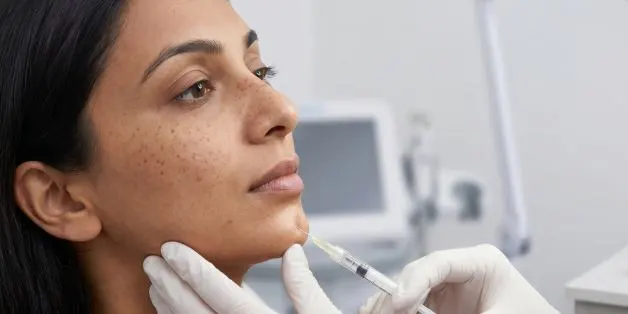
When I see strong repetitive movement in areas such as the glabella, forehead, or crow’s feet, small and carefully placed doses of botulinum toxin can be useful. This is not about making the face blank. It is about softening excessive muscle pull before lines deepen further. The treatment works best for dynamic lines, and the injector must understand anatomy, gender, expression style, and ethnic facial balance. In Indian patients, treatment planning often needs extra care to preserve natural animation and avoid an overtreated look.[3,4]
Skin boosters and other skin-quality treatments
Some patients do not need volume, but their skin quality needs support. That is where skin boosters and bio-remodelling style treatments can be useful. I consider them when the main concern is dehydration, crepiness, tired-looking skin, or early decline in elasticity rather than hollowing. Evidence around injectable hyaluronic acid for skin quality is promising, especially for hydration, firmness, and texture, but it is still important to match expectations to the individual patient.[6]
Microneedling and collagen-support treatments
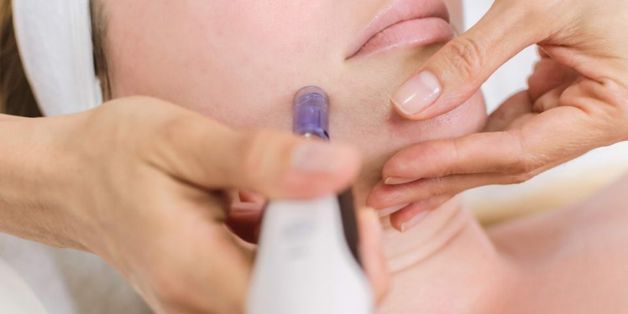
Microneedling can be a very sensible prejuvenation tool when the concern is texture, pores, mild acne marks, or early fine lines. I like it because it does not rely on adding volume or reducing movement. Instead, it works through controlled injury and repair. For the right patient, this can fit well into a collagen-support plan, especially when I want gradual change with relatively short downtime.[5]
Energy-based treatments for selected concerns
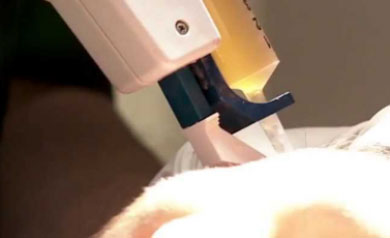
Energy-based treatments can also enter a prejuvenation plan, but only when the indication is clear. Early laxity, jawline softening, or a patient who wants support for collagen stimulation without injectables may benefit from an energy-based option. At my clinics, this conversation is highly selective. Skin tightening treatments need to be matched carefully — the wrong patient, or the wrong timing, can lead to disappointment even when the technology itself is sound.
Why not every patient needs every technology
This is where clinical judgement matters most. A patient with strong frown movement may benefit more from conservative neuromodulators than from repeated skin boosters. Another with textured, sun-damaged skin may benefit more from skincare correction and chemical peels than from injectables. Someone with very mild laxity may need observation, not intervention. Prejuvenation should reduce overtreatment, not normalise it.
Side effects and limitations patients should understand
Common short-term reactions
Most prejuvenation treatments have mild, short-lived reactions when done correctly, but they are still medical procedures. Depending on the treatment, patients may experience redness, swelling, tenderness, bruising, dryness, peeling, or temporary sensitivity. Retinoids may irritate if introduced too quickly. Neuromodulators can cause temporary heaviness or asymmetry if the treatment plan is poor. Microneedling can leave the skin flushed for a day or two. Skin-quality injectables can leave visible injection points for a short period.[2,3,5,6]
Less common risks
Less common risks include prolonged irritation, post-inflammatory pigmentation in susceptible skin, infection, allergy, persistent asymmetry, or a result that feels too little or too much for the patient’s expectation. This is one reason I do not support trend-led, high-volume treatment in younger faces. Prejuvenation should be low-drama medicine, not experimentation.
What prejuvenation can do, and what it cannot do?
Prejuvenation can slow visible change, improve skin quality, and reduce the need for heavier correction later in selected patients. It cannot stop biological ageing, replace healthy lifestyle choices, or guarantee that someone will never need stronger treatment in the future. It also cannot fix volume loss, significant laxity, or long-standing static lines by pretending they are still “early” concerns.
When I prescribe another treatment instead?
When skincare and monitoring are enough?
If the skin is healthy, lines are only visible in movement, and the patient has no strong preventive indication, I often prefer to optimise skincare and review later. This is especially true in younger patients who mainly need sun protection, routine discipline, and time. Starting a procedure too early just because it is popular is not thoughtful dermatology.
When a corrective treatment makes more sense than prejuvenation?
If a patient already has fixed lines, deeper volume change, marked laxity, or significant textural damage, I stop calling it prejuvenation. At that point, we are discussing rejuvenation or correction. The distinction matters because it sets honest expectations. Preventive language should not be used to underplay a more established concern.
How prejuvenation differs from late-stage anti-ageing treatment?
Late-stage anti-ageing treatment is usually more corrective and more structural. Prejuvenation is earlier, lighter, and more about preserving than rebuilding. That difference influences product choice, dose, spacing, and the kind of outcomes I discuss with the patient.
How I combine prejuvenation with other treatments?
For early lines and strong facial movement
If the dominant issue is movement, I may combine conservative neuromodulators with skincare support rather than chasing the problem with fillers. In Indian patients, this often gives a more natural result because it respects expression and facial proportions.[3,4]
For dull, dehydrated, or tired-looking skin
If the concern is skin quality rather than wrinkles, I may think in terms of barrier repair, sunscreen discipline, retinoid tolerance, and selected skin-quality injectables. This is often where patients understand that “looking fresh” and “looking filled” are not the same goal.
For early laxity and loss of firmness
When laxity is the concern, I may consider adding an energy-based treatment, but only after deciding whether the issue is really laxity, volume change, or simply dehydration and poor texture. A wrong label leads to a wrong plan.
For acne marks, uneven texture, or pigment-prone skin
In these cases, microneedling, selected peels, or carefully chosen skin-brightening strategies may matter more than injectables. Many younger patients who ask for prejuvenation are actually asking for smoother, calmer, more even skin. PRP treatment can also complement this approach by supporting natural skin repair.
For patients who want a subtle, low-downtime plan
Some patients want prevention but cannot afford visible recovery because of work, meetings, travel, or social schedules. For them, I build lighter plans, longer spacing, and fewer variables at a time. Subtle medicine is still good medicine.
Why prejuvenation is considered innovative?
What the science supports?
The innovation in prejuvenation is not that ageing has been “solved.” It is that we now understand more clearly which early changes are preventable, which are movement-related, and which treatments support skin quality without forcing dramatic change. Evidence is strongest for daily photoprotection, topical retinoids for selected patients, botulinum toxin for dynamic lines, microneedling for texture and early rejuvenation, and injectable hyaluronic acid approaches for skin quality support.[1,2,3,5,6]
Where the evidence is still evolving?
Not every trend marketed as prejuvenation has equal evidence. Some treatments have strong logic but lighter long-term data. Others work beautifully in the right hands but are oversold online. This is exactly why I think prejuvenation should stay dermatologist-led.
Why clinical judgement matters more than trends?
A treatment can be innovative and still be wrong for a given face. Good prejuvenation depends on timing, restraint, diagnosis, skin type, movement pattern, healing behaviour, and patient psychology. Technique matters. Saying no matters. Follow-up matters. That is the part social media usually leaves out.
What most people get wrong about prejuvenation
It is not just Botox
This is the most common misconception. Botox can be part of prejuvenation, but it is not the whole story. For some patients, the real issue is photodamage. For others, it is texture, irritation, or dehydration. If everything is reduced to one injectable, the plan becomes lazy.
Starting early does not mean starting aggressively
Starting early should make treatment gentler, not heavier. I would rather under-treat a younger patient and review than overcorrect and spend months trying to restore natural movement or proportion.
More treatment is not always better
Patients are often surprised when I recommend fewer treatments than they expected. But that is often the correct decision. The face does not benefit from every available technology just because it is available. In prevention, excess can age a face visually by making it look less natural.
Younger skin still needs diagnosis, not trend-following
A 29-year-old with barrier damage from overuse of acids does not need a “prejuvenation package.” A 34-year-old with strong glabellar activity may benefit from a small neuromodulator plan. A 38-year-old with early texture and mild laxity may need a completely different sequence. Diagnosis always comes before category labels.
Patient questions I often get
What is the right age to start prejuvenation?
There is no single right age. I start when I can identify an early, treatable pattern and when the patient understands that the goal is prevention, not transformation. For some, that conversation begins in the late 20s. For others, it is much later. The skin decides more than the birthday.
Will I look unnatural or overdone?
You should not, if the plan is conservative and the indication is correct. My approach is to preserve movement, facial identity, and proportion. An unnatural result usually reflects overtreatment, poor technique, or the wrong treatment choice, not the concept of prejuvenation itself.
Is prejuvenation only for women?
No. Men also develop early lines, textural change, sun damage, and loss of skin quality. The difference is that male treatment planning often needs extra care around brow position, forehead behaviour, and the patient’s comfort with visible intervention.
How much downtime should I expect?
It depends entirely on the treatment. Skincare changes may bring temporary dryness or purging-like irritation in some patients. Neuromodulators usually have minimal social downtime. Microneedling can give visible redness for a short time. Skin-quality injectables can leave swelling, bumps, or bruising for a few days. This is why I match the plan to the patient’s calendar, not just to the skin concern.[2,5,6]
How long do results usually last?
That depends on the modality, your baseline skin behaviour, sun exposure, movement pattern, and maintenance. I usually explain prejuvenation as a direction, not as a fixed duration. Skincare only works when it is continued. Procedure effects are temporary and need review, not blind repetition.
Can prejuvenation replace surgery later?
No. It may delay the point at which someone feels they need stronger correction, and it can certainly help skin look healthier for longer, but it does not replace surgery in patients who later develop more significant laxity or structural ageing. I prefer to say that prejuvenation can improve the ageing journey, not cancel it.
Citation Sources
References
- Krutmann J, Schalka S, Watson REB, Wei L, Morita A, Chen W, et al. Daily photoprotection to prevent photoaging. Photodermatol Photoimmunol Photomed. [link]
- Milosheska D, Roskar R. Use of Retinoids in Topical Antiaging Treatments: A Focused Review of Clinical Evidence for Conventional and Nanoformulations. Advances in Therapy. [link]
- Shetty MK; IADVL Dermatosurgery Task Force. Guidelines on the use of botulinum toxin Type A. Indian Journal of Dermatology, Venereology and Leprology. [link]
- Kapoor KM, Chatrath V, Anand C, Shetty R, Chhabra C, Singh K, et al. Consensus Recommendations for Treatment Strategies in Indians Using Botulinum Toxin and Hyaluronic Acid Fillers. Plastic and Reconstructive Surgery Global Open. [link]
- Alster TS, Graham PM. Microneedling: A Review and Practical Guide. Dermatologic Surgery. [link]
- Ghatge AS, Ghatge SB. The Effectiveness of Injectable Hyaluronic Acid in the Improvement of the Facial Skin Quality: A Systematic Review. Clinical, Cosmetic and Investigational Dermatology. [link]