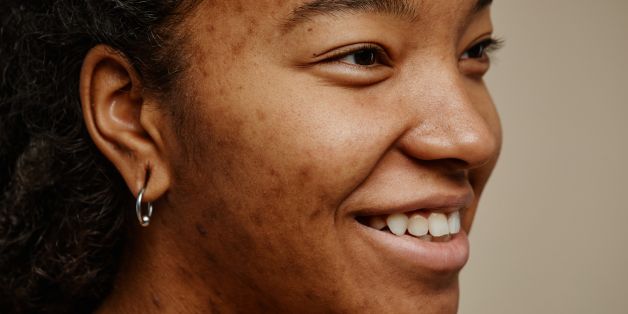

Today, acne scars can be successfully treated through a variety of treatment options. There are highly effective treatments for controlling existing acne, preventing fresh breakouts and help in clearing the skin and impede scar formation. But successful acne treatment needs time to work its course to show visible improvement. Even mild form of acne which can be treated successfully with over-the-counter products containing benzoyl peroxide and salicylic acid needs four-to-eight weeks for preventing new acne formation and clearing of the skin.
What causes Acne?
Acne occurs when the pores on your skin are blocked due to oil, dead skin formation or bacteria’s. Each pore on the skin has an opening to a follicle which is made up of a hair and a sebaceous (oil) gland. This oil gland is responsible for releasing sebum oil that travels up the hair and makes it ways out to your skin through the pores.
Acne treatments
Depending on the severity and history of your acne scars, your dermatologist will determine what treatment will work best for you. They may be
Topical treatments
(products applied directly to the skin)
Topical treatments may reduce sebum production, some help kill the acne bacteria and some fight inflammation and can be used in combination or alone.
- Topical retinoids like
- Tretinoin/Retin-A.
- Adapalene.
- Tazarotene.
- Topical antibiotics like
- Clindamycin.
- Clindamycin with benzoyl peroxide.
- Benzoyl peroxide – prescriptions strength.
- Resorcinol/salicylic acid – prescriptions strength.
- Azelaic acid.
Systemic treatments
(products that work through the system)
- Oral antibiotic tables like
- Doxycycline.
- Minocycline.
- Tetracycline.
- Trimethoprim alone/combination with azithromycin, and sulfamethoxazole.
- Hormonal therapies – These help control testosterone which triggers excess sebum
- Oral contraceptive tablets.
- Spironolactone.
- Estrogens/Progestins.
- Vitamin A capsules – This is anti-inflammatory, reduces sebum production, fights acne bacteria and clears epidermis.
Cosmetic procedures
- Chemical skin peeling – The skin’s appearance can be enhanced with the help of chemical peels. For active acne lesions we use in our clinic a salicyclic peel or an azelic peel which helps the active acne to settle and prevent from giving marks and acne scars.
- Jet Peel – It uses pressurized air to accelerate a jet of micro droplets which gently cleanse and exfoliate the skin. It helps to subside the active acne lesion.
- Dermabrasion/microdermabrasion for scar removal – A dermatologist or a plastic surgeon ‘sands’ your skin with a unique instrument. This methods creates a path for fresh, smoother layer of skin to restore the skin that’s been treated. This procedure is known as dermabrasion. In Microdermabrasion, fine exfoliating crystals are spattered on the skin. This method works best on problems such as brown spots, dull skin and age spots.
- Photodynamic therapy with laser – This is a method that uses a photosensitizing drug to apply light therapy preferably to kill pre-skin cancer, sun damage and acne. A line-up of treatments can put acne into suspension for months and also altering some marks without taking oral medications. The result achieved are faster when used with lasers.
- Light therapy – Laser or Light therapy is a non-invasive procedure that uses light energy to repair and regenerate damaged skin. This procedure has various benefits like improved immune response, reduced inflammation, improved circulation and many more.
- Laser skin resurfacing – This removes the skin layer by layer with precision. The new skin cells that form during healing give the skin a tighter, younger looking surface.
- Cortisone injection of cysts.
- Filling of pit-like scars with soft tissue augmentation.
Skin care tips for acne-prone skin
Keep the skin clean
- Wash your face twice daily and after exercise.
- Use lukewarm and not very hot water.
Be gentle on the skin
- Avoid scrubbing the skin.
- Avoid irritating the skin.
- Avoid touching your face, or pimples.
- Use fingertips or mesh sponge while cleansing.
- Stay away from direct sun.
Use appropriate cosmetics
- Use gentle, non-drying non-abrasive cleansers.
- Use non-comedogenic water-based creams.
- Use alcohol-free cosmetics.
- Avoid oil-rich cosmetics/creams and hair products.
- Avoid exfoliants, toners and astringents that irritate the skin.
Keep hair clean
- Shampoo regularly if you have oily hair.
- Keep hair free of dandruff.
- Keep hair away from your face.
Prognosis
Acne can psychologically impair with physical scarring and social isolation, but with correct and methodic treatment, acne can be controlled and cleared successfully.
[tab]
[tab_item title=”References”]
- US National Library of Medicine – National Institutes of Health [Acne vulgaris; Cystic acne; Pimples; Zits] view
- Mayo Clinic – Acne Treatments view
- US National Library of Medicine – National Institutes of Health [Acne vulgaris; Cystic acne; Pimples; Zits] view
- Medscape – Drugs, Diseases and Procedures [Acne Vulgaris Follow-up – Author: James Fulton Jr, MD, PhD] view
- British Association of Dermatologists – Acne Resource view
- American Academy of Dermatology – Acne: Tips for managing view
[/tab_item]
[/tab]