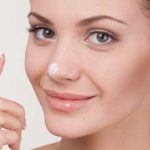
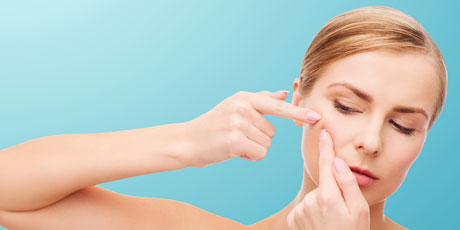
A clear, translucent and glowing skin is the deepest aspiration of almost everyone. Acne can be one of most frequent causes for not having a clear, glowing and glorious skin. Acne is very common and causes spots normally called pimples or ‘zits’. These may be whiteheads, blackheads and also inflamed pus-filled spots. Acne can be mostly found on face, neck, back. The most commonly occurring acne is called ‘acne vulgaris’.
Who can be affected?
Acne is very common. Boys and girls, men and women are affected by it. Though it is most commonly seen in the teenagers, older people also get it. Men and women, who may not have been affected by acne in their teens, are affected by it during their late twenties-thirties. Even children and babies seem to be affected by it. Though race does not seem to have a role, heredity contributes greatly to acne.
What causes acne?
Skins types can be dry, oily, combination type or sensitive. Generally, with the onset of puberty, hormonal changes increase oil (sebum) secretion. When excess oil and dead cells clog the pores in the skin, acne occurs. Blackheads, whiteheads, papules, pustules or cysts form which can scar the skin. Clogged pores can irritate the hair follicles present on the skin and can become inflamed with bacteria and become pus filled, swollen and red. View this article to get a more comprehensive list of causes of acne.
Possible triggers for acne
The following triggers can precipitate an attack of acne.
- Hormonal changes connected with
- Menstrual periods
- Birth-control tablets
- Pregnancy
- Stress
- Greasy/oily hair-care and cosmetic products
- Sweating
- Hot, humid climate
- Some medications
- Seeking medical advice
Many a time pus-filled pimples and inflamed cysts can be very painful, hot and very tender. They may leave scars and need treatment. Many people affected by acne feel distressed, embarrassed and deeply hassled about it. View the complete list of acne symptoms here. Over-the-counter topical products may help. If not, you must consult with your physician about treating acne and other treatments for scarring. Depending on the diagnosis of acne he will refer you to a dermatologist and/or a plastic surgeon as needed.
Treatment & Prognosis
Today there are excellent treatment options available for controlling acne, stopping development of new spots and scarring like
- Topical treatments.
- Oral antibiotics (tablets taken by mouth).
- Oral hormonal treatment (like contraceptive pills).
- Isotretinoin capsules.
- Light therapy.
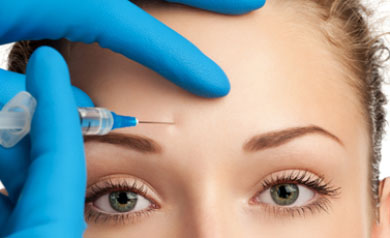
- Procedures like laser resurfacing, chemical skin-peeling , dermabrasion/ microdermabrasion, pus drainage, cortisone injection.
There are multiple other acne treatment options available which are highly effective in clearing the skin and impede scar formation.
[tab]
[tab_item title=”References”]
- University of Maryland – Medical Center [Medical Reference – Acne] view
- WebMD – Acne Health Center view
- US National Library of Medicine – National Institutes of Health [Overview of acne and its treatment. – Thiboutot DM] view
- British Association of Dermatologists – Acne Resource view
- American Academy of Dermatology – Acne Condition view
- Medscape – Drugs, Diseases and Procedures [Acne Vulgaris Follow-up – Author: James Fulton Jr, MD, PhD] view
- US National Library of Medicine – National Institutes of Health [Acne vulgaris; Cystic acne; Pimples; Zits] view
[/tab_item]
[/tab]